Practical Decluttering Tips for People Who Struggle to Let Go
Practical Decluttering Tips for People Who Struggle to Let Go begin with compassion, not a ruthless clean-out. Possessions can carry memories, hopes, guilt, identity, and the fear that discarding something means losing part of your past. A calmer approach makes decisions smaller and safer: choose one category, set a short time limit, and keep only what supports your present life.
The aim isn’t an empty home or strict minimalism. It’s a clutter-free home that feels easier to use, maintain, and enjoy. The methods below help you separate emotional attachment from obligation, create clear keep-donate-sell-discard categories, and make steady progress without forcing yourself into painful decisions.
Start With a Small, Safe Decision
The most useful answer is simple: begin with one manageable category, not an entire room, and decide each item using a consistent question. Ask, “Does this serve my life now, and would I choose to bring it into my home today?” If the answer is no but the item feels emotionally charged, place it in a temporary review box rather than making an immediate final decision.
Practical decluttering works best when the first session lasts 15 to 30 minutes. A short appointment lowers decision fatigue and gives your brain a clear finish line, which is far less intimidating than promising to clear the whole house over a weekend.
Choose an easy starting point such as expired toiletries, duplicate kitchen tools, old takeaway containers, or clothes that no longer fit. Avoid beginning with photographs, letters, inherited possessions, or a wardrobe connected to body image; those categories require more emotional energy.
Use four containers or clearly marked areas: keep, donate, sell, and discard. This version of the four-box method prevents every item from becoming a debate about whether it should stay, while giving useful possessions a defined next destination.
- Keep: items you use, love, need, or have a specific near-term purpose for.
- Donate: clean, usable possessions that could help someone else.
- Sell: items worth the time, effort, and responsibility of listing them.
- Discard: broken, unsafe, expired, stained, or unusable things.
Don’t create a “maybe” pile in every room. Use one sealed review box with a date written on the lid, such as “revisit on 1 September,” and store it somewhere outside your everyday path. If you haven’t needed anything inside after 30 to 90 days, that evidence can make the final decision less frightening.
There’s no requirement to throw away something simply because a decluttering expert would. The right pace is the fastest one that leaves you able to continue tomorrow rather than exhausted, ashamed, or determined never to sort another drawer.
Why Letting Go Feels So Difficult
Emotional attachment to possessions is often rational from the owner’s point of view. A concert shirt may represent a friendship, a set of dishes may connect you to a grandparent, and unused art supplies may represent the creative person you still hope to become.
Recognising that meaning is different from obeying it. An item can matter deeply and still be unsuitable for your current home, lifestyle, storage capacity, or future plans.
Fear of letting go often includes several separate worries. You might fear needing the object later, wasting money already spent, offending the person who gave it to you, forgetting a memory, or making an irreversible mistake.
Name the specific fear before deciding. “I’m worried I’ll need this someday” calls for a different solution than “I feel guilty because my aunt gave it to me.” A clear fear can be tested; a vague feeling tends to control the whole room.
Decision fatigue also changes how possessions appear. After making dozens of choices, keeping everything feels easier than evaluating one more object, even if the item is clearly broken or redundant.
Reduce the number of decisions by using rules. For example, keep one favourite version, retain the quantity that fits in a designated container, or release anything that would cost less to replace than the effort required to store and protect it.
Separate the object from the memory
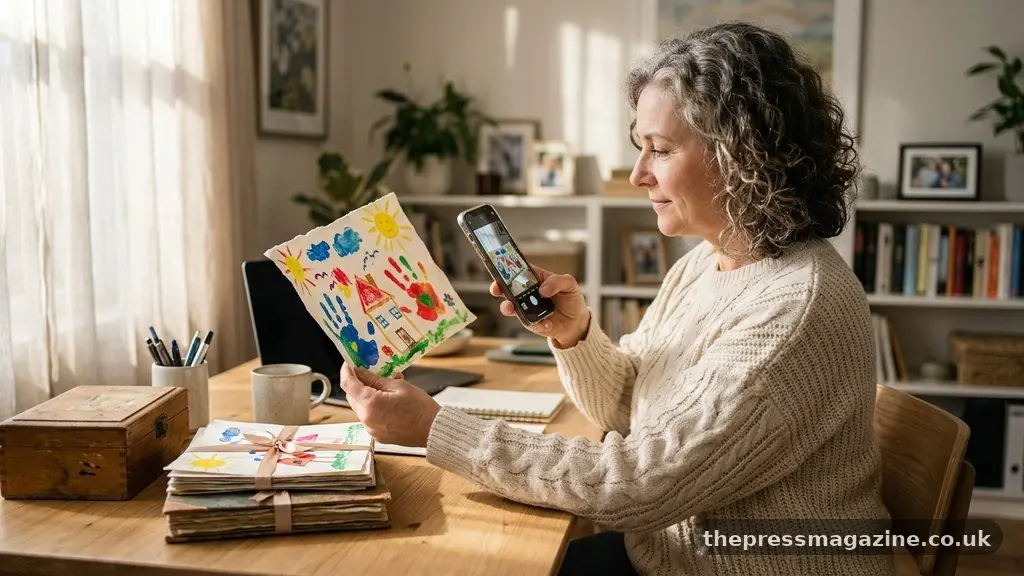
A memory doesn’t live only inside an item. Photograph a child’s artwork, scan a meaningful letter, or write down the story attached to a souvenir before donating the physical object.
Digital records aren’t right for every heirloom, and they shouldn’t be used to pressure yourself into discarding treasured things. They are simply another option when the story matters more than the object’s size, condition, or practical use.
Guilt deserves a similar distinction. A gift has already completed its social purpose when it was given; keeping it forever isn’t a permanent payment for the giver’s kindness.
Use Rules That Make Decisions Easier
A reliable rule reduces the need to invent a new argument for every possession. The best system is one you can apply consistently without feeling punished by it.
The 20/20 decluttering rule can help with low-cost, easily replaceable items: if you could replace something within about 20 minutes or $20, consider whether storing it is worth the space it occupies. It isn’t a command to discard useful supplies, emergency equipment, or items that are difficult to replace in your location.
Use the rule for duplicates, novelty gadgets, and “just in case” objects rather than medication, important documents, specialist tools, or sentimental items. Context matters more than a neat number.
The one-in-one-out rule works particularly well for clothes, mugs, books, toys, and kitchen equipment. When one new item enters a category, one existing item leaves, preventing a shopping decision from becoming a permanent storage problem.
For clothing, try a container limit instead of counting every piece. If all everyday T-shirts must fit in one drawer, the drawer becomes the boundary; you don’t need to decide whether shirt number 17 is morally acceptable.
Borrow useful things before buying them
Many “just in case” possessions are responses to a future scenario that may never arrive. Borrow a specialist tool, rent occasional equipment, or check whether a friend already owns the item before adding another object to your home.
Buying less is especially helpful for people who struggle to let go because prevention requires less emotional effort than removal. A 24-hour pause for nonessential purchases can interrupt the excitement that makes a future possession seem indispensable.
Choose the method that fits your temperament
The KonMari Method asks whether an item sparks joy and encourages sorting by category rather than moving randomly from room to room. That approach suits someone who can gather every book or garment in one place and make broad, intuitive decisions.
Others need a more practical question, such as “Would I use this in the next year?” Neither method is a test of character, and you can combine them: use function for paperwork and kitchen items, then use emotional resonance for sentimental possessions.
Write your chosen rules on a card or phone note. When hesitation starts, read the rule instead of negotiating with yourself from scratch.
Handle Sentimental Items With Care
Sentimental items deserve a slower process than expired food or duplicate cables. Set aside a dedicated session when you have enough energy, and don’t begin after an argument, during a major move, or late at night.
Start by gathering one narrow group, such as birthday cards, school certificates, or inherited jewellery. Seeing the whole category together can reveal repetition without requiring you to judge each piece in isolation.
Choose a meaningful limit before sorting. A memory box, one file drawer, or a small display shelf gives sentimental objects a home while protecting your living space from an unlimited archive.
Ask four questions about each item: What memory does it hold? Is this the best physical representation of that memory?
Would a photograph preserve enough? If I kept only five items from this category, would this be one of them?
Keep the strongest representatives rather than every example. One letter from a long friendship may tell the story better than a full box of similar cards, and one carefully chosen inherited dish may honour a relative more visibly than several chipped pieces hidden in a cupboard.
Talk to family before discarding shared history
Some possessions belong to a family story even when they sit in one person’s house. Before releasing albums, military records, recipes, or heirlooms, ask relatives whether they want a specific item and give them a clear response date.
Don’t become the unpaid warehouse for everyone else’s memories. A relative who wants an heirloom should generally accept responsibility for collecting, storing, and caring for it rather than leaving the decision indefinitely on your shoulders.
For children’s artwork, select a small annual collection instead of preserving every page. Photograph the rest, involve the child in choosing favourites when appropriate, and let the display change as new work arrives.
It can help to create a “story note” for an object you release. Record who owned it, where it came from, and why it mattered; the information may preserve the family history even when the physical item no longer remains.
Declutter Gradually, Room by Room
Gradual decluttering is not a lesser version of a dramatic clean-out. It is often safer for people who experience strong attachment because each session builds evidence that decisions can be made without disaster.
Use a visible starting point. Clear one kitchen counter, one section of a wardrobe, or one square metre of a bedroom floor rather than opening every cupboard at once.
Work in a sequence that creates immediate benefit. Entryways, kitchen work surfaces, bathroom counters, and the area beside your bed affect daily routines, so even a small improvement there can make the home feel more manageable.
A practical room sequence
In the kitchen, remove expired food, duplicate utensils, and equipment you avoid because it is awkward to clean. Keep the tools that match the meals you actually prepare, not an imagined version of your cooking life.
In the bedroom, sort clothes by type and remove anything uncomfortable, damaged beyond repair, or consistently ignored. Put uncertain pieces in a dated trial bag; if you don’t retrieve them during the next season, their absence has supplied useful information.
In the bathroom, check expiration dates and open products. Group daily items together, place occasional products in a separate container, and avoid buying replacements until you can see what you already have.
For paperwork, separate action items, records to retain, reference material, and recycling. Create one clearly labelled “action” tray with a weekly review time so papers don’t spread across every available surface.
In a living room, begin with objects that block movement or occupy useful seating. A pile of magazines, unused exercise equipment, or boxes beside the sofa can create stress every day even if each individual item seems harmless.
Stop before your energy runs out
End a session while you still have enough energy to put items into their next locations. Leaving half-sorted piles around the house can make the process feel like failure, even when you made good decisions.
Take a photograph of the cleared area if visual progress is hard for you to notice. The image provides proof that a small session changed something and can encourage the next appointment.
Move Items Out Without Creating New Clutter
Decluttering isn’t finished when an item leaves the shelf. Bags waiting beside the front door, unsold boxes in the garage, and donations scattered through the car can become a second layer of unfinished business.
Set an exit deadline before you start. For example, donations leave during your next planned errand, recycling goes out on collection day, and sale items are listed within one week.
Be selective about selling. Calculate the likely sale price, listing time, packing work, messages, collection arrangements, and platform fees before choosing the sell category.
If the effort exceeds the realistic return, donate the item or offer it directly to someone who has asked for it. Selling can be useful for valuable electronics, furniture, specialist equipment, or designer goods, but a low-value object may cost more in attention than it earns in cash.
Donation centers have different acceptance rules, particularly for mattresses, electrical goods, upholstered furniture, and opened products. Check the organisation’s current policy before loading your car so your unwanted possessions don’t return home.
For uncertain recycling questions, consult the U.S. Environmental Protection Agency’s recycling information rather than placing batteries, electronics, paint, or chemicals in ordinary bins.
Use storage solutions after reducing
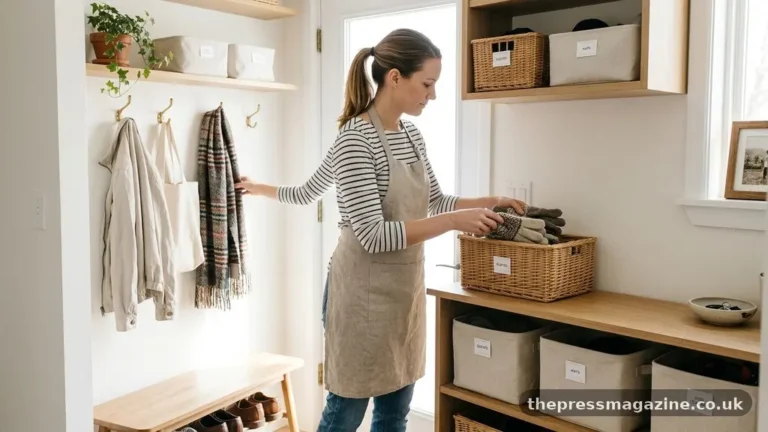
Storage solutions should support items you have chosen to keep, not hide decisions you are avoiding. Measure the space first, then buy containers that fit the shelf, drawer, or cupboard you actually have.
Prefer transparent or labelled containers for seasonal items, craft supplies, and household records. A container without a label often becomes a mystery box that gets duplicated because nobody remembers what it contains.
Leave some empty capacity. If every shelf is packed to the edge, one new purchase or returned item can trigger another pile, while 10 to 20 percent of free space makes maintenance easier without requiring constant precision.
Don’t rent a storage unit automatically. Its monthly cost, travel time, and emotional distance can turn postponed decisions into a long-term obligation; use one only when there is a clear reason, a review date, and a realistic plan.
Build Habits That Keep the Home Calm
Maintenance is easier when it is attached to an existing routine. Review the fridge before grocery shopping, clear the entryway while waiting for the kettle, or spend five minutes returning items before your evening television starts.
Use a reset basket for objects that belong in other rooms. Carry it through the house once or twice a day instead of making dozens of small trips that interrupt your attention.
Create a donation bag in a discreet but accessible place. When an item no longer fits your life, place it there immediately, then empty the bag on a regular schedule.
Shopping habits matter as much as sorting habits. Unsubscribe from promotional emails, remove stored payment details from tempting websites, and keep a note of categories you already own in sufficient quantity.
Make progress visible but gentle
Track sessions rather than bags. Recording “20 minutes on the bathroom cupboard” recognises the effort even if the final donation is small, and it prevents progress from being measured only by dramatic before-and-after photographs.
Invite support when the task is emotionally loaded. A trusted friend can hold a donation bag, read a letter aloud, or ask neutral questions without deciding what you should keep.
A professional organiser may help with systems, access, and pacing, while a therapist may be more appropriate when possessions cause intense distress, conflict, unsafe living conditions, or an inability to use essential rooms. Those needs are different, and getting the right kind of support is a practical decision rather than a personal failure.
Frequently Asked Questions
What should I declutter first if everything feels important?
Start with items that have low emotional value and obvious practical problems, such as expired products, duplicates, broken objects, or packaging saved without a purpose. A small success creates momentum and lets you practise the decision process before approaching sentimental items.
How do I declutter without regretting my decisions?
Use a review box for uncertain possessions and write a future date on it. Photograph meaningful items, keep the best representative rather than every duplicate, and avoid making major decisions when you are exhausted or upset.
Should I sell things or donate them?
Sell an item when its likely value justifies listing, storing, packing, and communicating with buyers. Donate when the return would be small or the sale process is keeping the item inside your home for weeks.
How can I deal with gifts I don’t use?
Thank the giver in your mind for the intention, then judge the object by its usefulness and place in your current life. If the relationship is active and the gift has a special story, consider keeping one representative item rather than every present.
What if another person in my home refuses to declutter?
Begin with shared areas and your own possessions rather than secretly discarding someone else’s things. Agree on functional boundaries, such as keeping walkways clear or limiting items to a defined shelf, and discuss safety concerns directly if clutter blocks exits or essential spaces.
Make Letting Go a Practice
Practical Decluttering Tips for People Who Struggle to Let Go work best when they honour both the object’s meaning and your need for a usable home. Begin with one small category, rely on a simple rule, and give uncertain items a safe review period instead of demanding instant certainty.
Choose your next 15-minute session, prepare the four boxes, and decide where donations will go before you start. With gradual decluttering, honest limits, and kinder self-talk, releasing possessions can become a manageable act of caring for the life you’re living now.