How to Keep Your Home Comfortable During Seasonal Changes
Keeping your home comfortable during seasonal changes is less about constantly adjusting the thermostat and more about preparing the building before outdoor conditions shift. Small improvements to insulation, air sealing, humidity control, ventilation, and HVAC maintenance can prevent rooms from becoming too hot, too cold, damp, or stuffy.
The most effective approach combines a seasonal checklist with daily habits that suit your home’s climate and construction. You’ll find practical steps for keeping Your Home Comfortable During Seasonal Changes, reducing wasted energy, protecting indoor air quality, and knowing when a professional should inspect the system.
Start With a Seasonal Comfort Check
The direct answer is simple: inspect the home’s envelope, test the HVAC system, adjust humidity, and change your routine before extreme weather arrives. Doing these tasks a few weeks before summer or winter gives you time to correct problems before a failed furnace, strained heat pump, or drafty room becomes an emergency.
Walk through the house on a mild day and pay attention to temperature differences between rooms. A bedroom that feels noticeably colder than the hallway may have weak insulation, a blocked register, leaky ductwork, or air entering around a window.
Begin with the places where outdoor air can enter. Check window frames, exterior doors, attic access panels, plumbing penetrations, recessed lights, and electrical outlets on outside walls.
Weatherstripping is useful around movable doors and windows because it compresses when the opening closes. Caulk or other suitable sealants work better for fixed cracks, while larger gaps may require professional air sealing or repair.
Your HVAC system deserves an equally practical inspection. Confirm that supply and return vents are open, furniture is not blocking airflow, and the thermostat responds when you raise or lower the setting.
- Replace or inspect air filters according to the manufacturer’s instructions and household conditions.
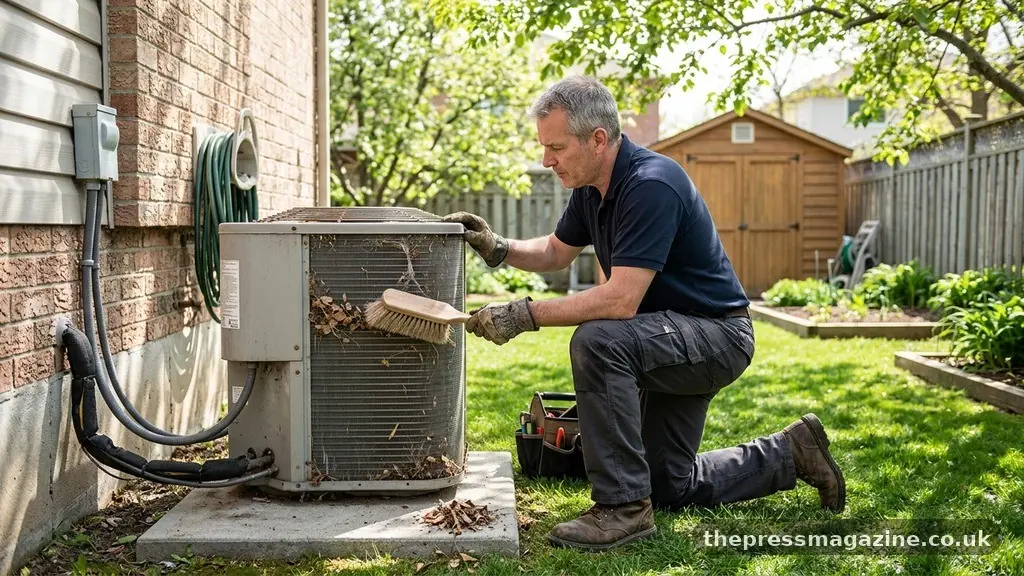
- Clear leaves, grass, and stored items away from outdoor heat-pump or air-conditioning equipment.
- Look for unusual noises, weak airflow, short cycling, burning smells, or unexplained increases in energy use.
- Check that condensate drains and drain pans are clear where they are accessible and safe to inspect.
- Schedule seasonal maintenance before the first major heat wave or cold snap.
A smart thermostat can make the process easier by showing patterns rather than relying on memory. If the system runs for long periods but rooms remain uncomfortable, the problem may be airflow, insulation, equipment capacity, or duct leakage rather than the thermostat setting itself.
Keep a short record of what you notice. Dates, room temperatures, filter changes, repair visits, and energy bills can reveal whether a recurring issue is improving or quietly getting worse.
Prepare the Home’s Outer Shell
Insulation and air sealing form the foundation of indoor comfort because they slow heat movement and limit uncontrolled drafts. Insulation resists heat transfer, while air sealing closes the pathways through which warm or cold air actually moves.
Attic insulation often deserves early attention because heat rises during winter and intense solar heat can build in the attic during summer. An attic with thin, compressed, or uneven insulation may leave upper rooms uncomfortable even when the HVAC equipment is working normally.
Look for obvious signs rather than disturbing insulation unnecessarily. Bare areas, darkened patches near penetrations, dampness, or insulation that has shifted away from the edge of the attic can justify an inspection by a qualified contractor.
Air sealing should focus on gaps between conditioned and unconditioned spaces. Common examples include openings around plumbing pipes, wiring, ductwork, chimneys, attic hatches, and recessed light fixtures that are not rated for insulation contact.
Safety matters here. Some older homes contain materials that should not be cut, moved, or sealed without professional assessment, and attic work can involve heat, poor footing, electrical hazards, or inadequate ventilation.
Windows are another part of the building envelope, but replacing them is not always the first or best investment. Draft control, interior or exterior shading, properly fitted curtains, and selective repairs may improve comfort without the cost and disruption of full replacement.
| Area to inspect | Winter comfort concern | Summer comfort concern | Useful first step |
|---|---|---|---|
| Attic | Heat escapes through the ceiling | Heat transfers into upper rooms | Inspect insulation depth, gaps, and air leaks |
| Exterior doors | Cold drafts enter at the threshold | Conditioned air escapes | Check weatherstripping and door sweep |
| Windows | Cold glass and perimeter leaks | Solar heat and outdoor air gain | Seal fixed cracks and use suitable shading |
| Ductwork | Heated air is lost before reaching rooms | Cool air leaks into hot spaces | Arrange duct inspection where access is available |
| Basement or crawl space | Cold floors and damp air | Moisture enters living areas | Check insulation, drainage, and visible moisture |
Floors over garages, crawl spaces, and unheated basements can also create persistent cold zones. Improving insulation in those locations may make a greater difference than increasing the thermostat because it addresses the surface where heat is being lost.
For advice tailored to local climate conditions and building practices, the U.S. Department of Energy’s air-sealing guidance explains common leakage areas and basic weatherization principles.
Use the HVAC System More Intelligently
An HVAC system should maintain a steady, reasonable indoor temperature rather than fight large swings every day. Extreme thermostat changes can make the equipment run for long periods, while a consistent schedule often supports comfort and energy efficiency.
Setpoints should reflect the occupants, the season, and the building’s response time. A well-insulated home may hold its temperature for hours, while a drafty older home can change quickly after the system shuts off.
Smart thermostats can help by learning schedules, sensing occupancy, and displaying equipment runtime. Those features are useful only when the thermostat is installed in a representative location, away from direct sunlight, supply vents, kitchens, and drafts.
Remote control is convenient, but it shouldn’t encourage extreme recovery settings. Raising the heat dramatically after a cold day or lowering the cooling setting far below the outdoor temperature does not make the system work magically faster.
Heat pumps require a little different thinking from conventional furnaces. They move heat rather than create it through combustion, and many operate efficiently with moderate, steady settings instead of frequent manual adjustments.
In cold weather, a heat pump may use supplemental heat during certain conditions, depending on the equipment and controls. If auxiliary heat appears to run constantly, ask a qualified technician to check sizing, airflow, refrigerant charge, ductwork, and thermostat configuration.
Filters have a direct effect on airflow and equipment strain. A filter that is visibly loaded with dust should be replaced according to the equipment’s requirements, but installing a very restrictive filter that the system cannot handle may also reduce airflow.
Keep supply registers open unless the manufacturer or a professional gives a specific reason to close one. Shutting several vents can change duct pressure and may leave the system operating less effectively.
Annual seasonal maintenance usually includes inspection of electrical connections, moving parts, refrigerant or fuel-related components, safety controls, condensate management, and combustion venting where relevant. The exact service depends on whether the home uses a furnace, boiler, air conditioner, heat pump, or mixed system.
Do not ignore repeated short cycling. A system that starts and stops unusually often may have a control problem, restricted airflow, incorrect sizing, poor refrigerant charge, or another fault that affects both comfort and equipment life.
Control Indoor Humidity and Ventilation
Temperature is only one part of comfort. Indoor humidity changes how warm or cool a room feels, affects materials, and can influence odors, condensation, and indoor air quality.
During winter, heated air often becomes dry because cold outdoor air contains less moisture. Dry conditions may cause irritated skin, static electricity, shrinking wood, or discomfort in the nose and throat.
A humidifier can add moisture when indoor air is consistently too dry, but it needs correct adjustment and regular cleaning. Excess moisture can condense on windows, collect inside walls, or support mold growth, especially in poorly ventilated areas.
Summer creates the opposite challenge in many climates. A dehumidifier may improve comfort by removing moisture, allowing occupants to feel comfortable at a slightly higher cooling setting.
Bathrooms and kitchens produce concentrated bursts of moisture. Run exhaust fans during showers and cooking, and continue using them long enough to remove humid air rather than simply moving it into an adjacent room.
Ventilation should exchange stale indoor air without creating unnecessary energy loss. Homes that have been tightly air-sealed may need a balanced mechanical ventilation strategy, particularly if windows remain closed for long periods.
Watch for signs that humidity is out of balance:
- Condensation on windows or exterior-facing walls suggests excessive moisture or cold surfaces.
- A musty odor may point to hidden dampness, poor drainage, wet materials, or inadequate ventilation.
- Persistent static and cracked wood can indicate very dry winter air.
- Slow-drying towels and lingering cooking smells may signal weak bathroom or kitchen exhaust.
- Visible mold requires attention to the moisture source, not only surface cleaning.
A small hygrometer can help you observe patterns in different rooms, though readings vary with placement and device quality. Put one away from direct sunlight, vents, humidifiers, and exterior doors for a more useful comparison.
Indoor air quality also depends on particles, gases, combustion by-products, and outdoor pollutants. Keep fuel-burning appliances properly vented, never use outdoor combustion equipment indoors, and treat unusual headaches, dizziness, or strong odors as reasons to leave the area and investigate promptly.
Make Each Room Feel Better
Whole-home improvements matter, but room-level adjustments can solve discomfort quickly. Start by identifying whether the issue is temperature, draft, radiant heat, noise, humidity, or airflow rather than assuming the thermostat is responsible.
Furniture placement affects air circulation. A sofa or bookcase directly over a supply register can block heated or cooled air, while a bed against a cold exterior wall may feel uncomfortable even when the room’s measured temperature is acceptable.
Window coverings are especially helpful in rooms with strong sun exposure. Closing reflective shades during a hot afternoon can reduce solar heat gain, while opening suitable curtains on a sunny winter day may provide useful passive warmth.
Ceiling fans can improve perceived comfort by moving air across the skin. In warm weather, the usual counterclockwise setting pushes air downward, while many fans can be reversed during cooler months to redistribute warm air that collects near the ceiling.
Fans do not lower the actual room temperature, so turn them off in empty rooms. Their value comes from allowing people to feel comfortable at a different thermostat setting.
Rugs and insulated curtains can reduce the sensation of cold floors and nearby glass. They won’t replace missing insulation, but they can make a living space feel warmer while larger repairs are planned.
Doors between rooms should support the home’s airflow design. Closing a bedroom door may make the room quieter, but if it has no return-air path, pressure can build and reduce the amount of conditioned air entering.
Use a thermometer to compare rooms at the same time of day. Record readings near the center of each room, away from windows and registers, then compare them with how the spaces actually feel.
Heat sources also deserve attention. Lamps, ovens, electronics, and direct sunlight can make one area warmer than the rest of the house, which may cause a nearby thermostat to misread the comfort level for the entire home.
For households with infants, older adults, or people with respiratory conditions, comfort decisions should include personal health needs. A room that feels acceptable to one adult may be too cold, too dry, or too humid for another occupant.
Build a Seasonal Maintenance Calendar
Seasonal maintenance works best when divided into small tasks rather than saved for one stressful weekend. A short calendar helps you inspect equipment while replacement parts, contractors, and weather windows are still available.
Before warmer weather
Inspect the cooling side of the HVAC system before the first sustained heat. Clear the outdoor unit, confirm that the thermostat operates correctly, check accessible condensate lines, and arrange service if cooling was weak or uneven the previous year.
Clean or replace air filters as needed and examine attic and roof areas for moisture after winter storms. Early attention to a small leak can prevent wet insulation, damaged ceilings, and mold-related repairs during humid weather.
Before colder weather
Test heating safely before the first cold night. Listen for unusual sounds, check that warm air reaches occupied rooms, and arrange professional inspection for fuel-burning equipment, flues, and carbon monoxide safety.
Inspect door sweeps and weatherstripping, close storm windows where appropriate, and make sure attic access panels fit securely. Store outdoor furniture and garden materials so they don’t block heat-pump airflow or exterior vents.
During the transition
Spring and autumn are ideal times to compare rooms because the HVAC system may run less frequently. Note which areas become uncomfortable first and use those observations to prioritize insulation, ductwork, shading, or ventilation work.
Maintenance records should include the date, task, contractor, equipment model, filter size, and any symptoms. This information makes future troubleshooting faster and helps you spot a pattern, such as a condensate issue that returns every summer.
Some tasks are appropriate for homeowners, including changing accessible filters and keeping outdoor units clear. Electrical repairs, refrigerant work, combustion testing, gas connections, major duct changes, and equipment installation belong with qualified professionals.
Never cover vents or combustion openings to solve a comfort problem. A blocked return or improperly sealed flue can create a safety hazard instead of improving the room.
Improve Efficiency Without Sacrificing Comfort
Energy efficiency should support comfort, not require people to tolerate unpleasant rooms. The best improvements reduce heat loss, prevent drafts, and help the HVAC system deliver conditioned air where it is needed.
Start with low-cost observations before buying new equipment. If a room is uncomfortable because a window leaks air, replacing the HVAC system may increase energy use without solving the draft.
Air sealing and insulation often work together. Sealing the largest leakage paths first keeps conditioned air inside, while insulation slows heat transfer across ceilings, walls, floors, and other boundaries.
Ductwork can be a hidden source of waste when it runs through an attic, crawl space, garage, or other unconditioned area. Leaks or missing insulation in those locations can make a system appear undersized even when the equipment itself is operating correctly.
Use the smart thermostat’s runtime history as a clue rather than a final diagnosis. Longer runtime on a very hot or cold day is normal, but sudden changes during similar weather may indicate a filter, airflow, control, or envelope problem.
Efficient lighting and appliances also reduce unwanted heat during summer. An oven, incandescent lamp, or high-powered computer can add noticeable warmth to a small room, especially when windows are closed and ventilation is limited.
Shade outdoor condenser or heat-pump equipment only according to manufacturer guidance. Blocking airflow with a tight enclosure, dense planting, or a decorative cover can reduce performance and cause damage.
Consider improvements in order of impact and practicality:
- Correct obvious drafts and blocked airflow.
- Address moisture leaks and ventilation problems.
- Improve attic insulation and air sealing where inspection supports it.
- Repair or seal accessible ductwork.
- Upgrade controls or equipment after the home’s basic performance is understood.
Energy bills can help measure progress, but weather changes and occupancy affect them. Compare similar months carefully, and pair bill data with room temperatures, equipment runtime, and comfort observations.
Know When Professional Help Is Needed
Some comfort issues are simple, but persistent symptoms deserve a proper diagnosis. Call a qualified HVAC or building professional when the system cannot maintain temperature, runs almost continuously, cycles repeatedly, or produces unusual smells or sounds.
Water stains, damp insulation, peeling paint, recurring condensation, and musty odors should be investigated at the source. Covering a stain or running a dehumidifier may hide the symptom while the building continues to absorb moisture.
Uneven temperatures can result from many causes, including equipment sizing, duct design, pressure imbalance, insulation gaps, solar exposure, or room additions that changed the original airflow plan. A professional should measure rather than guess.
Ask for clear findings and practical options. A useful assessment should explain what was measured, which repair addresses the cause, what work is urgent, and which improvements can wait.
Safety concerns take priority over comfort. Leave the area and seek immediate help if you smell gas, see smoke, suspect carbon monoxide, or notice a fuel-burning appliance behaving abnormally.
Carbon monoxide alarms should be installed and maintained according to local requirements and manufacturer instructions. They supplement, but do not replace, professional inspection and proper venting.
When selecting a contractor, verify licensing or certification requirements in your area, ask for written estimates, and avoid anyone who recommends replacing major equipment without explaining the diagnosis. Equipment replacement may eventually be appropriate, but comfort problems often begin with simpler building or airflow defects.
Plan larger work around the season. Roof repairs, attic insulation, duct sealing, and window improvements are easier to schedule before extreme temperatures, while HVAC replacement requires careful attention to sizing and the home’s actual heating and cooling load.
Frequently Asked Questions
What temperature should a home be during seasonal transitions?
There is no single setting that suits every household, but moderate settings that avoid large daily swings are usually practical. Personal health, clothing, humidity, insulation, and local weather all influence what feels comfortable, so use measured room conditions and occupant needs rather than chasing a universal number.
Why is one room always colder or hotter than the others?
The cause may be a blocked register, weak return-air path, duct leakage, inadequate insulation, window exposure, or an oversized or undersized system. Compare room temperatures, check airflow, and have a professional evaluate the ductwork and building envelope if the imbalance persists.
Should I use a humidifier in winter?
A humidifier can help if indoor air is consistently dry, but it must be controlled and maintained carefully. If windows begin collecting condensation or walls feel damp, reduce moisture and investigate ventilation, insulation, and cold-surface problems.
How often should HVAC air filters be changed?
Follow the filter and equipment manufacturer’s instructions, then adjust based on pets, construction dust, smoking, allergies, and household size. Inspect the filter regularly rather than relying only on a calendar, because a loaded filter can reduce airflow and strain the system.
Can a smart thermostat fix an uncomfortable home?
A smart thermostat can improve scheduling and provide useful runtime information, but it cannot correct missing insulation, leaking ducts, blocked vents, or poor equipment sizing. Treat it as a control and monitoring tool, not a substitute for building repairs.
Keep Comfort Steady All Year
Keeping Your Home Comfortable During Seasonal Changes becomes much easier when you work from the outside in: seal drafts, protect the attic, maintain the HVAC system, manage humidity, and observe how each room responds. Small tasks completed before extreme weather can prevent expensive surprises and make daily comfort feel far less complicated.
Choose one inspection to complete this week, such as checking weatherstripping or replacing a neglected filter, then schedule any specialist work before demand peaks. With consistent seasonal maintenance and a few thoughtful adjustments, your home can remain healthier, quieter, and more welcoming through every change in weather.