Smart Ways to Reuse Everyday Household Items Instead of Throwing Them Away
Smart Ways to Reuse Everyday Household Items Instead of Throwing Them Away can turn ordinary clutter into useful storage, garden supplies, repair materials, and creative projects. A glass jar might become a spice container, while an old T-shirt can serve as a cleaning cloth instead of entering the waste stream.
These small choices reduce household waste, stretch the life of products, and often save money. The most effective approach isn’t buying more “eco” products; it’s noticing what you already own and giving it another job before recycling or disposal becomes necessary.
Start With the Items You Already Have
The simplest reuse habit begins with a pause: before throwing something away, ask whether it can safely serve another purpose. This question works particularly well for containers, packaging, textiles, and small household hardware because these items are often clean, durable, and already shaped for practical use.
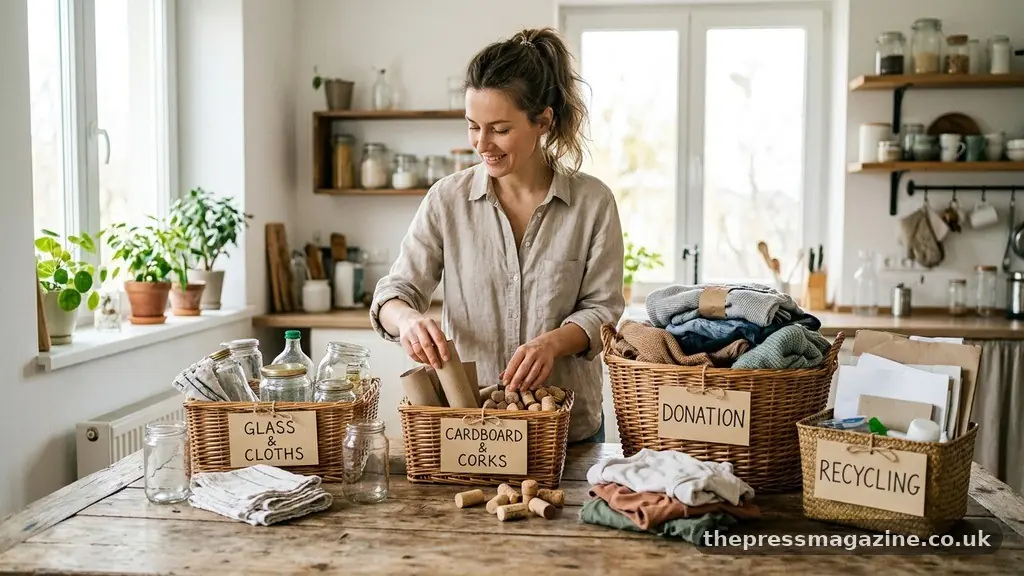
A quick household audit can reveal more reusable materials than expected. Set aside a box for clean glass jars, cardboard boxes, fabric scraps, sturdy envelopes, spare buttons, twist ties, and containers with intact lids. Keeping these supplies in one visible place makes creative reuse easier than buying a new item for every small task.
Reuse doesn’t mean keeping everything forever. An item deserves another use only if it is safe, reasonably clean, and likely to solve a real problem. Holding on to damaged plastic, mouldy fabric, or broken electrical equipment can create clutter rather than support household waste reduction.
A practical first sorting system
- Keep for daily use: sturdy jars, reusable storage containers, cloths, baskets, and boxes that can go straight into service.
- Keep for projects: cardboard tubes, fabric remnants, corks, clean packaging, and small pieces of wood.
- Repair or donate: clothing, furniture, tools, and appliances that still have useful life.
- Recycle or dispose of safely: contaminated packaging, cracked items with sharp edges, batteries, chemicals, and damaged electronics.
This sorting method prevents the common mistake of treating reuse as a storage challenge. The goal is not to fill a cupboard with “possibly useful” objects; it is to create a small, accessible material library that supports actual routines.
Start with one category rather than changing the entire home in a weekend. A kitchen drawer of reusable packaging or a fabric basket for old clothing can produce visible results quickly, which makes the habit easier to maintain.
Give Glass Jars and Containers a Second Life
Glass jars are among the most versatile items in a kitchen because they are washable, transparent, and resistant to odours. Empty pasta sauce jars can hold dried beans, rice, spices, buttons, screws, craft supplies, or homemade salad dressing after their labels and adhesive residue are removed.
Small jars work well for packed lunches, seedlings, desk storage, and bathroom items such as cotton pads. Larger jars can become refrigerator containers for overnight oats, leftover grains, or chopped fruit, provided the lid remains clean and closes securely.
Reusable storage containers don’t have to match. A collection of repurposed jars can be more practical than a uniform set because different shapes suit different jobs. Use wide-mouth containers for leftovers and narrow jars for liquids, herbs, or small hardware.
Safe and useful kitchen reuse
Wash containers thoroughly with hot, soapy water and allow them to dry completely before storing food. If a jar has a chipped rim, a rusty lid, or a seal that no longer works, use it for non-food storage instead of taking a risk.
Not every container belongs in the freezer. Liquids expand as they freeze, and narrow glass can crack under pressure, so leave generous space or choose a container specifically designed for freezing. Temperature changes can also break glass, meaning a hot jar should never go directly onto a cold surface.
Labels make reused containers more useful. Write the contents and date on masking tape, or use a washable marker on a smooth surface, so leftovers don’t become forgotten science experiments at the back of the refrigerator.
Jars can also replace disposable gift packaging. Fill one with homemade granola, tea, bath salts, or dry cookie ingredients, then add a fabric scrap or paper tag. The container remains useful after the gift is opened, unlike single-use wrapping that usually has a brief lifespan.
For a household trying zero-waste living, the biggest benefit isn’t perfection. It is reducing the number of new containers entering the home while making existing ones easier to see, clean, and use.
Turn Cardboard and Paper Into Useful Materials
Cardboard boxes often survive several lives before recycling becomes necessary. A delivery box can become a drawer divider, a children’s drawing surface, a template for a sewing project, a protective layer under messy work, or a temporary storage box for seasonal decorations.
Cut shallow cardboard trays to organise pantry packets, stationery, cables, or cleaning supplies. Cover them with leftover wrapping paper, newspaper, or fabric if appearance matters, but plain cardboard is perfectly functional inside a cupboard.
Strong boxes are especially useful during furniture moves and home repairs. Flattened cardboard can protect floors from paint splashes, shield a tabletop while sanding, or separate fragile items in a storage bin. Remove tape and staples first if the cardboard will be handled frequently.
Paper reuse beyond the recycling bin
Only one side of a printed sheet? Use the blank side for shopping lists, children’s art, calculation notes, or a draft before printing a final document. A small tray beside the printer turns otherwise forgotten paper into an easy supply.
Paper bags can serve as compost browns, lunch bags, book covers, or packing material. Tear them into strips before adding them to a compost system, and avoid paper coated with plastic, heavy ink, grease, or chemical treatments.
Old newspapers can cushion fragile objects, absorb moisture beneath muddy shoes, and help clean windows when paired with a suitable cleaner. Their value is practical, not decorative: using them once more delays the need for a new product.
To make cardboard creative reuse more durable, reinforce corners with paper tape and avoid storing it in damp places. Moisture weakens the fibres and can introduce mould, so recycling is the better choice once a box becomes wet, greasy, or structurally unstable.
Children can turn tubes, cartons, and boxes into play shops, marble runs, animal models, or puppet theatres. Adult supervision matters around staples, cutting tools, and small pieces, but simple cardboard projects offer an inexpensive alternative to buying another plastic toy.
Reuse Plastic Bottles With Care
Plastic bottles can be useful for short-term, non-food jobs after they have been emptied and washed. A cut bottle can become a plant funnel, seedling protector, paint-water container, or scoop for potting soil, while intact bottles can hold craft materials or workshop supplies.
Clear bottles make simple mini-greenhouses for young plants. Cut away the base, place the upper section over a seedling, and remove or loosen the cap to improve airflow. Take the cover off during hot weather because trapped heat can damage a plant quickly.
Bottles also help with household organisation. Use them to separate coloured pencils, collect loose cables, or store small quantities of nails and pegs. Label the outside clearly, particularly if children could mistake the container for a drink.
Know the limits
Single-use drink bottles aren’t ideal for repeated long-term use, especially if they become scratched, cloudy, misshapen, or difficult to clean. Scratches can harbour residue, and warm environments accelerate unpleasant odours, so replace the bottle’s role with a purpose-made reusable vessel if it will hold drinking water every day.
Never reuse a container that held chemicals, fuel, pesticides, or other hazardous substances for food or drink. The same rule applies to storage around children and pets; a repurposed bottle should be unmistakably labelled and kept away from anything edible.
Plastic bottle projects should also avoid creating sharp edges. Cover cut rims with strong tape, sand them smooth where appropriate, or choose a different material if the object will be handled often.
Reusable plastic packaging is not automatically better if it is used only once or creates a disposal problem later. A good reuse project extends the item’s working life, replaces a purchase, and ends with responsible recycling where local facilities accept that type of plastic.
That balance matters within a circular economy. Materials remain more valuable when products are maintained, repaired, reused, and recycled in stages rather than treated as disposable from the beginning.
Put Old Clothing to Work Again
Old clothing is often one of the easiest household materials to reuse because fabric can be cut, stitched, tied, or layered. Cotton T-shirts make soft cleaning cloths, worn towels become absorbent rags, and denim can be turned into tool pouches, patch pockets, or durable plant ties.
Before cutting a garment, decide whether someone else could still wear it. Clean, intact clothing is usually more valuable as a donation, community swap, or second-hand sale than as a rag. Reuse through another person keeps the original design and labour in service for longer.
Clothing with stains, holes, or stretched fabric can still have useful sections. Cut around damaged areas to save buttons, zippers, elastic, pockets, and strong seams for later repairs. These small components can prevent a future purchase and make mending more convenient.
Simple textile projects
Cut worn cotton into squares and keep them in a washable container for dusting, wiping counters, or polishing. Mark cloths used for cleaning chemicals so they aren’t confused with kitchen towels, and wash reusable rags separately when they are heavily soiled.
Old pillowcases can protect delicate clothing in storage, cover a basket, or become drawstring bags. A sleeve can protect a bottle, a trouser leg can hold wrapping paper rolls, and a scarf can serve as a temporary table runner or gift wrap.
Fabric scraps can fill a draft stopper, cushion a fragile object, or become stuffing for a simple pet toy. Avoid using loose threads around animals and children because they can create a choking or entanglement hazard.
Textile reuse also works socially. A neighbourhood repair afternoon, clothing swap, or sewing circle can move surplus garments to people who need them while sharing skills that are difficult to learn alone. The environmental benefit grows when the project changes purchasing habits, not just the destination of one shirt.
When fabric is too worn, wet, or contaminated to reuse, check whether a local textile collection accepts it. Rules vary widely, so don’t put clothing into a general recycling bin unless the local programme specifically permits it.
Transform Food Scraps Into Garden Resources
Food scraps can be reused through careful meal planning, stock-making, and composting. Vegetable stems, herb stalks, onion skins, and clean trimmings may add flavour to stock, while citrus peels can be dried for cooking or used to scent vinegar-based cleaning solutions.
The safest approach is to distinguish edible reuse from composting. If a scrap is fresh and suitable for cooking, use it promptly; if it is no longer appealing but remains suitable for organic recycling, add it to the correct compost system rather than letting it sit in the rubbish bin.
Home composting turns suitable organic material into a soil amendment. Fruit and vegetable scraps, coffee grounds, tea leaves without plastic components, and dry leaves can contribute useful carbon and nitrogen when balanced properly.
Build a healthier compost routine
A compost pile needs air, moisture, and a mixture of materials. Wet food scraps provide nitrogen, while dry leaves, shredded plain cardboard, and untreated paper provide carbon. Too many scraps can create odour, so cover each layer with dry material and avoid adding large quantities at once.
Meat, dairy, oily food, pet waste, and diseased plants may attract pests or create health concerns in a basic home pile. Local council guidance should determine what belongs in a garden compost bin, worm farm, or municipal food-waste service.
Freezing scraps is a practical option for households without a convenient collection schedule. Keep a sealed container in the freezer for vegetable trimmings, then transfer the contents to a community compost drop-off or green-waste service.
Food preservation can prevent waste before scraps exist. Soft fruit can become a smoothie ingredient or cooked topping, stale bread can turn into breadcrumbs, and vegetable odds and ends can be collected for broth. These actions save the resources already invested in growing, transporting, and storing food.
Use caution with homemade cleaning products made from food by-products. Vinegar-based solutions are useful for some surfaces, but acidic mixtures can damage natural stone, certain metals, and delicate finishes, and cleaners should never be mixed with bleach.
Repair, Refresh, and Repurpose Furniture
Furniture restoration can be as simple as tightening loose screws, replacing a drawer pull, cleaning a finish, or adding felt pads beneath chair legs. A scratched table doesn’t automatically need replacing; surface marks may disappear after cleaning, light sanding, or a suitable protective finish.
Before beginning a restoration project, inspect the item for structural damage, pests, mould, and unstable joints. A chair that wobbles or a shelf that carries heavy loads may need proper repair rather than cosmetic treatment.
Repurposing changes an item’s function when its original use no longer fits. A wooden ladder can become a blanket rack, a drawer can serve as a wall shelf, and an unused suitcase can store linens or seasonal clothing. The strongest projects respond to a real storage need rather than creating another object that must be managed.
Make the project safer and more efficient
Clean old furniture outdoors or in a well-ventilated area, particularly if the finish is flaking or the piece may contain old paint. Wear appropriate protection, and seek specialist advice before disturbing paint on older furniture because some coatings may contain lead.
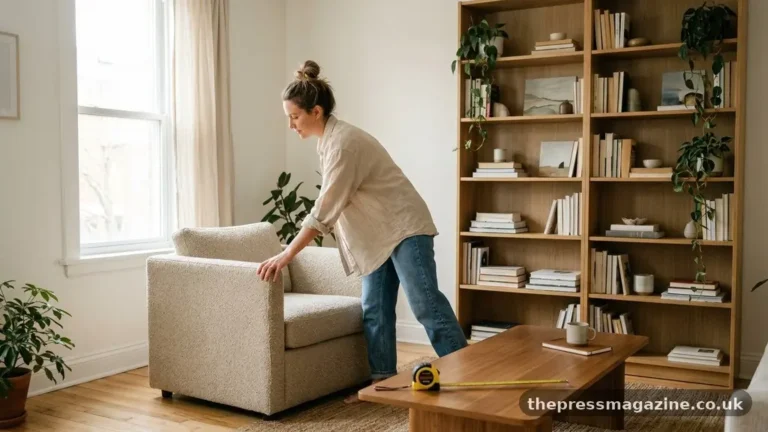
Measure twice before cutting, drilling, or mounting anything. A repurposed item still needs to support its new purpose, and wall-mounted pieces require suitable anchors for the wall material and expected load.
Paint can refresh a tired chair, but preparation determines how long the result lasts. Remove grease, smooth loose flakes, repair damage, and allow each coat to cure according to the product instructions rather than rushing the piece back into use.
Furniture reuse can also happen without tools. Move a small side table to a plant stand, use a dining chair as a bedroom valet, or place a sturdy basket beneath a console for shoes. Changing location sometimes reveals a function the original room concealed.
Donating unwanted furniture locally is another form of creative reuse. A piece that no longer suits one home may be exactly the size or style another household needs, and direct redistribution avoids the transport and processing involved in disposal.
Build Reuse Into Everyday Routines
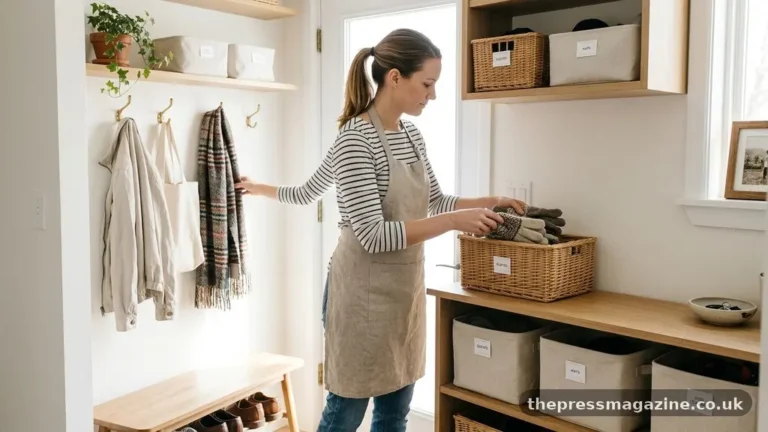
Reuse becomes sustainable when it is convenient. Place a washable cloth near the kitchen sink, keep reusable bags by the door, store jars beside pantry supplies, and maintain a small repair kit where damaged items are likely to be noticed.
A “use first” shelf in the refrigerator can prevent forgotten leftovers. Put food that needs attention at eye level, label it with a date, and plan one meal each week around those ingredients rather than buying more food automatically.
Create a household rule for incoming packaging. A box may be kept only if it has a named purpose, such as storing holiday decorations or protecting a future parcel. This prevents the reuse area from becoming an unlabelled pile that nobody wants to sort.
| Household item | Useful second purpose | Check before reuse |
|---|---|---|
| Glass jar | Food storage, craft supplies, seed starting | Inspect the rim, lid, odour, and temperature limits |
| Cardboard box | Drawer divider, packing material, floor protection | Keep it dry, clean, and structurally sound |
| Old T-shirt | Cleaning cloth, produce bag, fabric scraps | Choose washable fabric without heavy contamination |
| Plastic bottle | Plant cover, scoop, craft organiser | Avoid food reuse after chemical contact or severe wear |
| Furniture | Repair, storage, plant stand, new-room function | Check stability, pests, mould, and old finishes |
Track purchases for one month and note which items you repeatedly replace. If disposable cloths appear often, make a basket of washable rags; if storage boxes keep appearing on shopping lists, standardise the jars and boxes already in the home.
Use local recycling guidance alongside reuse. The United States Environmental Protection Agency’s recycling resources explain why accepted materials and preparation rules differ between communities, which is useful when an item has reached the end of its practical life.
Sharing surplus supplies strengthens the habit. Offer spare jars to a neighbour, give clean packing material to someone moving, or pass on craft leftovers through a local community group. One household’s excess can become another person’s useful starting point.
Frequently Asked Questions
Is reusing always better than recycling?
Not always. Reuse is generally helpful when an item can safely replace a new purchase, but a contaminated, broken, or unsuitable object may be better recycled through the correct local programme. Reuse should extend useful life, not postpone responsible disposal indefinitely.
How can I reuse items without creating clutter?
Give every saved item a specific job and a storage location. Set a limit for jars, boxes, fabric scraps, or project materials, then recycle or donate anything beyond that limit. A small, visible supply is more useful than an overflowing cupboard.
Can old containers be used for food storage?
Use containers only when they are clean, intact, and suitable for the food and temperature involved. Avoid chipped glass, cracked plastic, containers that held chemicals, and packaging that cannot be washed thoroughly. If you have doubts, use the item for non-food storage.
What is the easiest reuse project for beginners?
Turn old cotton clothing or towels into washable cleaning cloths. The project requires little equipment, immediately replaces disposable wipes, and creates a clear place to store the finished pieces. Glass jars for pantry or hardware storage are another low-effort option.
How do I reuse packaging responsibly?
Remove food residue, tape, and sharp components before using packaging again. Keep it away from heat and moisture unless it is designed for those conditions, and label anything that could be confused with food or drink. Once the material becomes unsafe or unusable, follow local recycling or disposal instructions.
Make Reuse a Practical Habit
Smart Ways to Reuse Everyday Household Items Instead of Throwing Them Away begins with ordinary decisions: washing a jar, saving a sturdy box, mending a shirt, or composting suitable food scraps. Choose one material category this week and give it a clear storage place and a useful purpose.
Reuse works best when it remains safe, simple, and connected to real needs. With a little upcycling, repair, repurposing, and creative reuse, your home can reduce waste without becoming a workshop full of unfinished projects.