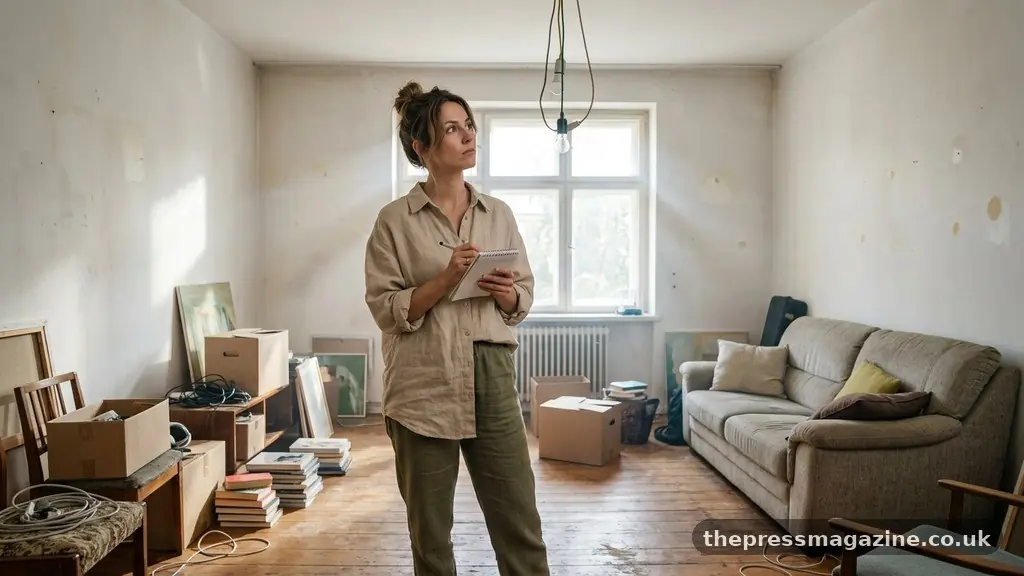
Affordable Home Updates That Can Change the Look of Any Room
Affordable Home Updates That Can Change the Look of Any Room often begin with small choices rather than a major renovation. A fresh paint color, better lighting, or a carefully placed rug can shift how a space feels without disturbing walls, flooring, or plumbing.
The best budget-friendly home improvements also make a room work harder. You’ll find practical ways to refresh color, furniture, storage, textiles, and finishing details, along with sensible guidance for deciding what deserves your time and money first.
Start With the Changes That Matter Most
The most effective low-cost update is usually the one that changes the largest visual surface or fixes the room’s biggest weakness. In many spaces, that means improving the walls, lighting, or furniture arrangement before buying decorative objects.
For example, a dark living room may need brighter bulbs and lighter window treatments more than it needs new furniture. A crowded bedroom may look dramatically calmer after removing one chair, shifting the bed, and adding matching bedside lamps.
Begin with one clear goal: make the room brighter, calmer, warmer, more functional, or more coordinated. Choosing a single direction prevents small purchases from becoming a random collection of colors and patterns.
A simple priority test
Walk into the room and identify the first thing that feels wrong. Is the seating pointed away from conversation, is the ceiling light harsh, or does every wall look bare and unfinished?
Next, separate visual problems from structural ones. A damaged floor, leaking window, or unsafe electrical fixture needs proper repair, while an outdated color scheme or awkward layout can often be handled with inexpensive changes.
- High-impact surfaces: walls, curtains, rugs, bedding, and large cabinet fronts.
- Functional improvements: better task lighting, added storage, and clearer walking paths.
- Decorative finishing touches: wall art, throw pillows, indoor plants, and decorative mirrors.
- Details that date a room: mismatched hardware, yellowed lampshades, and worn switch plates.
Take photographs from the doorway and from the main seating position. A room can feel acceptable while you’re standing inside it, but a photograph often reveals that artwork is too high, furniture is pushed against every wall, or a bold item is competing with three other focal points.
Set a spending limit before shopping, then reserve part of it for installation supplies. Paint rollers, curtain hardware, wall anchors, filler, brushes, and replacement bulbs are easy to overlook, yet they determine whether an inexpensive project looks polished.
Use Paint and Wall Treatments for a Fast Shift
Interior paint colors can alter the apparent size, temperature, and brightness of a room more quickly than almost any other purchase. Warm whites and soft beige can make a north-facing room feel less chilly, while muted blue or green can bring calm to a bedroom or reading corner.
Color choice should respond to the room’s existing light. Test samples on more than one wall because a shade may look cream in morning sun, grey under cloudy daylight, and noticeably warmer beside an amber lamp.
Paint a large sample board rather than relying on a tiny swatch. Move it around the room during the day, and compare it with the floor, sofa, trim, and curtains before committing to every wall.
When an accent wall works
An accent wall is most successful when it reinforces a natural focal point. Behind a bed, fireplace, desk, or dining bench, a stronger color can give the room a clear visual anchor without requiring enough paint for the entire space.
Choose a wall that already receives attention rather than one interrupted by several doors and windows. A deep olive, charcoal, terracotta, or navy can feel intentional when the rest of the room uses quieter supporting tones.
Not every accent wall needs saturated paint. A slightly darker version of the main wall color creates depth with a restrained effect, which can be especially useful in small rooms or open-plan areas.
Low-commitment wall options
Peel-and-stick wallpaper offers pattern without the permanence of traditional wallpaper. It works well inside a small entryway, on the back wall of open shelving, or above a half-wall in a powder room.
Buy a sample first and check how the pattern aligns around corners, outlets, and baseboards. Cheap material can shrink, lift, or show seams, so surface preparation matters: clean the wall, smooth rough patches, and follow the manufacturer’s instructions.
DIY home decor can also include painted arches, simple geometric blocks, or a narrow color band around a room. Painter’s tape and a level are more useful than complicated tools, but crisp edges depend on allowing the base coat to dry fully before adding the second color.
For renters or cautious homeowners, removable hooks, fabric wall hangings, and framed prints can supply personality without repainting. The goal is not to cover every empty surface; one thoughtfully treated wall often has more impact than a room full of competing decoration.
Let Lighting Change the Mood
Lighting can make the same paint color appear sophisticated, dull, warm, or clinical. A single ceiling fixture often leaves corners dark and creates shadows on faces, so adding two or three smaller sources can change the room after sunset.
Use layers: ambient light for general visibility, task light for reading or working, and accent light for atmosphere. A floor lamp beside a sofa, a table lamp on a console, and a small picture light over wall art can create a more balanced evening scene.
Statement lighting doesn’t have to mean an expensive chandelier. A distinctive pendant, pleated shade, oversized paper lantern, or sculptural floor lamp can become the room’s focal point while performing a practical job.
Match the fixture to the room
In a dining area, a pendant should provide useful light without blocking conversation across the table. In a bedroom, shaded bedside lamps reduce glare and make the room feel more restful than a bright overhead fixture.
In a narrow hallway, a flush-mount fitting may be more practical than a hanging pendant. A living room with low ceilings can gain visual interest from an arched floor lamp, which adds height without requiring electrical work.
Check the bulb before judging a fixture. Color temperature affects the atmosphere, and dimmable bulbs give you more control when the same room serves as a workspace during the day and a relaxing area at night.
The U.S. Department of Energy’s information on lighting choices that save energy can help you compare efficient bulb types and useful controls. Energy-efficient options may also reduce operating costs over time, particularly in rooms with lights used for many hours.
Small lighting upgrades
Replace a dated lampshade before replacing the entire lamp. A new shade can change the silhouette, soften the glow, and coordinate a mismatched base with the rest of the room.
Under-cabinet lights can improve a kitchen’s appearance while making food preparation safer. Plug-in strip lights are often easier for a renter or novice DIYer, provided cords are secured neatly and electrical safety instructions are followed.
Mirrored or metallic surfaces can help distribute light, but placement matters. Put a decorative mirror opposite a window or beside a lamp so it reflects brightness into the room rather than reflecting a cluttered corner.
Refresh Soft Furnishings Without Replacing Everything
Textiles cover a large amount of visual space, which is why they can change a room quickly. A faded sofa may look more current with new throw pillows, a textured blanket, and an area rug that connects the seating pieces.
Build the palette from one existing item you already like. A patterned chair, favorite artwork, or timber floor can provide the starting colors, while new fabrics add supporting shades instead of forcing an entirely new scheme.
Choose an area rug carefully
An area rug should relate to the furniture scale. In a living room, the front legs of the sofa and chairs should generally sit on the rug, or the rug should be large enough to hold the entire seating group.
A rug that is too small can make a room feel disconnected, even if its pattern is attractive. Measure the seating zone first, then account for door swings and clearances before purchasing.
Pattern is useful for hiding everyday wear, while a solid or subtle texture can calm a room that already contains artwork, patterned curtains, or colorful upholstery. Flatweave rugs suit high-traffic areas, whereas thicker piles may feel inviting in a bedroom but harder to maintain under dining chairs.
Use curtains and bedding strategically
Window treatments affect both light and perceived ceiling height. Hanging curtains closer to the ceiling and allowing them to extend beyond the window frame can make a modest window look more substantial, provided the panels still open properly.
Light-filtering fabric can soften strong daylight without making a room gloomy. In a bedroom, combine it with a blackout lining or separate shade if sleep quality matters.
Rather than buying an entirely new bedding set, replace the duvet cover or add a folded blanket at the foot of the bed. Two large pillows in a contrasting texture can look more deliberate than a dozen small cushions that require constant rearranging.
Keep patterns connected by repeating one color, not by matching every item exactly. A striped curtain, a small geometric pillow, and a plain rug can work together when their colors share a common thread.
Rearrange Furniture Before Buying Furniture
Furniture rearrangement costs nothing, yet it can change the room’s proportions and improve how people use it. Pulling a sofa several inches away from the wall may create a more intimate conversation area, while turning a desk toward a window can make work feel brighter.
Start by measuring the main pieces and drawing the room on graph paper. Mark door swings, radiators, vents, and walking paths so the new layout solves a problem instead of creating a frustrating obstruction.
Leave a clear route through the room. People should not need to squeeze between a coffee table and sofa or walk behind a chair every time they enter the space.
Give each zone a purpose
Open-plan rooms benefit from visual zones. An area rug can define the seating zone, a console can separate dining from living space, and a bookcase can create a quiet work corner without closing off the room completely.
In a small bedroom, use the wall opposite the bed for a narrow dresser or floating shelf rather than filling every corner with bulky furniture. In an entryway, a slim bench with baskets can provide seating and storage without narrowing the passage.
Try a layout for several days before deciding it has failed. Your first impression may be based on unfamiliarity, while daily use reveals whether the coffee table is too far away or the reading lamp is poorly positioned.
Improve storage as part of the design
Open shelving can display books, pottery, framed photographs, and a few useful objects, but it needs breathing room. Leave some shelf space empty and group items by height so the arrangement feels edited rather than crowded.
Cabinet hardware is another inexpensive way to modernize a kitchen, bathroom, or built-in storage unit. Measure the existing hole spacing before ordering pulls, because replacing knobs with handles may require drilling new holes and filling old ones.
Choose hardware that suits the room’s architecture. A simple black pull may sharpen a plain white kitchen, while aged brass can add warmth to painted cabinets and coordinate with wood floors or warm light fixtures.
Use baskets, boxes, and trays to contain small items. Concealing remote controls, charging cables, and loose papers can make a room appear more finished without changing its major furniture.
Add Personality With Art, Mirrors, and Plants
Wall art gives a room character, but its placement should relate to nearby furniture. A piece hung above a sofa should feel connected to the sofa’s width, while a small print may work better in a group or on a narrow wall.
You don’t need expensive originals to create a considered display. Family photographs, botanical prints, children’s drawings, fabric panels, and postcards can look cohesive when they share a frame finish or a limited color palette.
Arrange frames on the floor before putting holes in the wall. Leave enough space between pieces for each image to remain readable, and keep the center of the arrangement near eye level rather than pushing everything toward the ceiling.
Use mirrors with intention
Decorative mirrors can bounce daylight and make a compact room feel more open, but they don’t create extra square footage. Place one where it reflects a window, an attractive light source, or a pleasing piece of artwork.
A mirror facing a messy storage area will amplify the visual clutter. Check the reflection from the main doorway and seating position before fixing it permanently.
Bring in living elements
Indoor plants add color and soften the hard lines of furniture. A tall plant can fill an empty corner, while a small trailing plant can bring life to open shelving without demanding a large footprint.
Match the plant to the available light rather than choosing by appearance alone. A low-light room may suit tolerant foliage plants, while a sunny windowsill can support varieties that need brighter conditions.
If watering is easy to forget, use one or two durable plants instead of filling the room with struggling specimens. Attractive pots also matter; a simple ceramic container can make an ordinary plant feel like part of the decor.
Natural materials offer a similar effect where plants won’t thrive. A woven basket, timber tray, stone bowl, or linen lampshade adds texture without requiring maintenance.
Plan Budget-Friendly Home Improvements in Stages
A staged plan keeps an affordable refresh from becoming an expensive chain reaction. Complete the dusty or disruptive work first, then add textiles and decorative details after the main color and layout decisions are settled.
For instance, paint before installing new curtains, and decide where furniture will sit before hanging artwork. This order reduces the risk of buying pieces that clash with the final wall color or no longer fit after the layout changes.
| Update | Visual effect | Best first step | Common mistake |
|---|---|---|---|
| Paint or accent wall | Changes the room’s overall mood | Test samples in different light | Choosing a color from a tiny swatch |
| Lighting | Improves atmosphere and function | List ambient, task, and accent needs | Using one harsh overhead source |
| Area rug | Connects furniture into a zone | Measure the seating or dining area | Buying a rug that is too small |
| Cabinet hardware | Refreshes built-in storage | Measure hole spacing | Ignoring the existing finish and scale |
| Wall art or mirror | Adds focus and personality | Plan placement on the floor | Hanging pieces too high |
Spend where quality is visible
Some purchases deserve more attention because they receive daily use. A supportive desk chair, durable rug, safe light fixture, or well-made curtain rod may offer better value than several decorative objects that need replacing quickly.
Save on items that are easy to change. Throw pillows, small frames, plant pots, and removable wallpaper samples let you experiment without making the entire room dependent on one risky decision.
Compare the cost of a project with the time it requires. Painting a wall may be inexpensive but labor-intensive, while changing cabinet hardware may take less time and create a surprisingly strong result.
Know when to call a professional
Cosmetic work is suitable for many capable homeowners, but electrical, gas, structural, and water-related problems deserve qualified help. A loose light fitting, overloaded circuit, or damaged wall should not be disguised with decor.
Professional advice can also prevent expensive mistakes when removing walls, altering plumbing, or installing heavy fixtures. Affordable updates work best when they improve appearance without compromising safety or future repairs.
FAQ About Affordable Room Updates
What is the cheapest way to change a room’s appearance?
Furniture rearrangement, decluttering, and a more deliberate lighting setup usually cost nothing or very little. After those steps, paint, a new lampshade, or coordinated throw pillows can make a visible difference without replacing major furniture.
Which update has the biggest visual impact?
Wall color often has the broadest effect because it surrounds the entire room. Lighting can be just as powerful in the evening, especially when a harsh ceiling fixture is replaced or balanced with lamps.
How can I refresh a rental without damaging the walls?
Use removable hooks, peel-and-stick wallpaper approved for your wall type, freestanding lamps, loose rugs, and textile-based wall art. Avoid adhesive products on fragile or recently painted surfaces until you’ve tested a hidden area.
How many colors should one room have?
There is no fixed rule, but a controlled palette is easier to manage than many unrelated shades. Start with a dominant wall or furniture color, add a secondary tone through textiles, and use a smaller accent color in art or accessories.
What should I update first in a tired living room?
Photograph the room, remove clutter, and test a new furniture layout before shopping. Then address the strongest weakness, such as poor lighting, bare walls, worn textiles, or a color that makes the space feel darker than it is.
Make the Room Feel Like Yours
Affordable Home Updates That Can Change the Look of Any Room work best when they respond to how the space is actually used. Start with the biggest visual or practical problem, test ideas before committing, and let paint, lighting, layout, and textiles do most of the heavy lifting.
Choose one manageable project this week, such as moving the furniture, replacing a lampshade, or creating a small art arrangement. The result doesn’t need to look showroom-perfect; it should feel brighter, more comfortable, and more recognisably yours.