Thoughtful Gift Ideas for People Who Prefer Useful Things
Thoughtful Gift Ideas for People Who Prefer Useful Things start with one simple question: what would make this person’s ordinary routine easier, calmer, or more enjoyable? A practical present can feel deeply personal when it solves a small problem they’ve mentioned, replaces something worn out, or supports a hobby they use every week.
The best choices aren’t necessarily expensive or impressive at first glance. They’re the items that earn a place on a desk, in a kitchen drawer, beside a front door, or inside a daily bag because the recipient genuinely reaches for them.
Useful gifting still leaves plenty of room for warmth and personality. The key is to match the object to the person’s habits, standards, space, and preferences rather than buying a generic “must-have.”
Start With Their Real Routine
The strongest useful gifts usually answer a need you’ve observed rather than one you’ve imagined. Notice what the person carries, repairs, complains about, or keeps postponing. Someone whose phone is always at five percent needs a different present from someone who spends every Sunday preparing meals or someone who works from cafés.
Listen for repeated phrases such as “I need to replace this,” “I keep forgetting,” or “There has to be a better way.” Those comments point toward problem-solving gifts with a clear purpose. A compact portable charger may help a frequent traveller, while a well-designed cable organizer may suit someone whose desk is always tangled.
Before buying, consider four practical details: how often the item will be used, where it will be stored, what quality level the recipient expects, and whether they already own a similar version. A useful object becomes clutter if it duplicates something perfectly adequate.
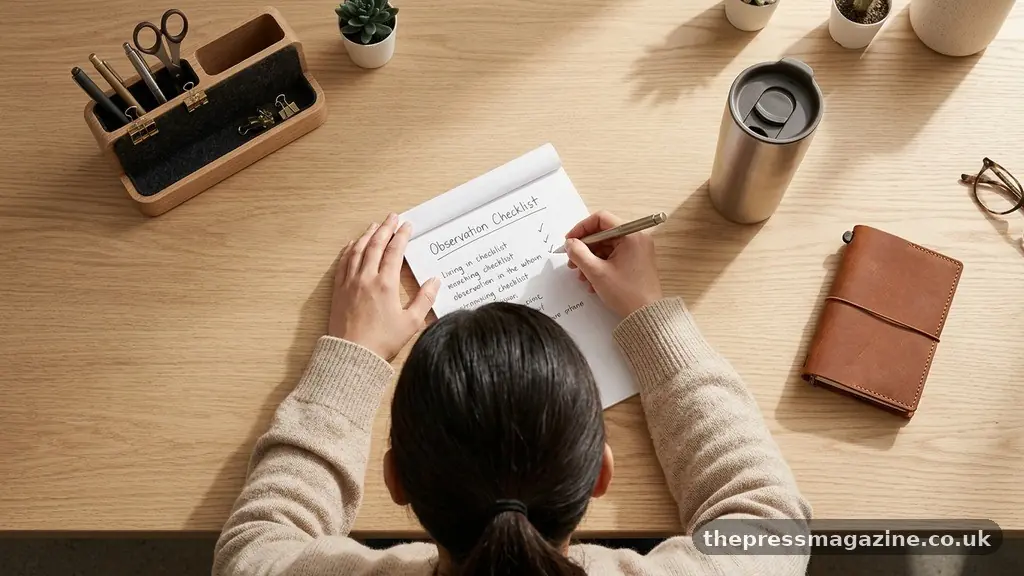
A quick observation checklist
- Daily friction: Identify a small inconvenience they deal with more than once a week.
- Existing habits: Choose something that fits what they already do instead of demanding a new routine.
- Personal standards: Think about whether they prefer minimalist designs, premium materials, repairable products, or low-maintenance items.
- Available space: Avoid bulky gifts for people with small kitchens, crowded desks, or limited storage.
- Timing: Select a gift that helps with an upcoming trip, move, project, season, or life change.
This approach also makes the gift feel more considered when you present it. A short note explaining the connection—“You mentioned your old one kept leaking, so I found this insulated water bottle”—shows attention without turning the moment into a sales pitch.
Everyday Essentials That Earn Their Place
Everyday essentials are reliable choices because they support routines people already have. The trick is to choose a better version of a familiar item, not simply a decorative object that happens to be useful in theory.
An insulated water bottle can suit a commuter, gym-goer, teacher, or outdoor enthusiast, but details matter. Look for a capacity that matches the person’s bag, a lid they can operate easily, a shape that fits a cup holder if needed, and materials that won’t create an annoying cleaning routine.
Other strong options include a durable umbrella, a quality lunch container, a compact travel adapter, comfortable house slippers, or a well-made notebook for someone who still writes by hand. These functional presents are modest, but they become valuable through repetition.
Useful gifts can also improve a small daily moment. A good reading light helps someone who reads in bed, while a soft but sturdy robe may suit a person who works from home and values a slow morning. The item doesn’t need advanced technology; it needs to fit the recipient’s life.
| Recipient habit | Practical gift direction | What to check first |
|---|---|---|
| Commutes or travels often | Insulated bottle, compact umbrella, travel pouch, portable charger | Bag size, weight, airline compatibility, charging ports |
| Works at a desk | Desk lamp, cable organizer, wrist support, quality notebook | Desk space, handedness, lighting preferences, existing equipment |
| Cooks regularly | Kitchen gadgets, sharpener, storage containers, digital timer | Counter space, cooking style, cleaning requirements |
| Enjoys outdoor activities | Headlamp, repair kit, weatherproof pouch, durable mug | Activity type, climate, weight, water resistance |
For safety-related or travel equipment, consult the product’s specifications rather than relying on a photograph or a vague marketplace description. The Consumer Reports advice on product safety and reliability can also help shoppers compare construction, maintenance, and performance before purchasing.
Useful Gifts for Work, Study, and Travel
People often appreciate practical gifts most during busy periods, when an object removes one more decision from the day. Work, study, and travel create clear opportunities because each setting has predictable annoyances: low battery, poor lighting, lost cables, uncomfortable seating, or disorganized documents.
A portable charger is a natural choice for someone who travels between meetings, attends conferences, or spends long days away from outlets. Capacity, charging speed, size, and compatibility matter more than a flashy finish. A compact model may be better than the most powerful one if the recipient carries a small bag.
Organization accessories can also make a meaningful difference. A slim tech pouch, document wallet, luggage tracker holder, or set of reusable cable labels helps someone find what they need without emptying an entire bag. These gifts work especially well for people who value order but don’t always have time to create it.
For students or home-office workers, consider a desk lamp with adjustable brightness, a laptop stand, an ergonomic mouse, or a reusable writing system. Don’t assume that an expensive chair or keyboard will be appreciated, though. Comfort is personal, and some equipment requires the recipient to choose the fit themselves.
Match the gift to the setting
A commuter may value compactness above all else, while a remote worker may prefer a larger desk accessory that stays in one place. Someone travelling internationally needs plug compatibility and voltage information, not just a fashionable cable case.
For a student living in a small room, vertical storage, a collapsible laundry basket, or a compact power strip may be more useful than an elaborate organizer. A graduate starting a new job might appreciate a professional tote, meal-preparation containers, or a good travel mug.
Gift cards can work here when the technical choice is too personal. A card for a trusted electronics retailer, bookstore, office-supply shop, or transport provider gives the recipient control while still supporting a clear need. Add a handwritten suggestion—such as “for the charger you keep meaning to replace”—so the gift feels intentional rather than impersonal.
Kitchen and Home Gifts That Solve Small Problems
Kitchen gadgets are appealing because they can save time, improve consistency, or reduce mess. Yet kitchens are full of specialized tools that seemed useful in a shop and then disappeared into a drawer, so choose based on a real cooking habit.
A person who prepares coffee daily might enjoy a reliable scale, airtight storage canister, or reusable filter suited to their setup. Someone who makes packed lunches could use leak-resistant containers, a compact cutting board, or a washable insulated bag. A home baker may appreciate a sturdy digital scale more than another novelty-shaped utensil.
Look for tools that do one important job well. A quality vegetable peeler, instant-read thermometer, can opener, or sharp knife can be used constantly. Multi-tools are helpful when they combine functions the recipient actually needs, but an overly complicated model may be frustrating if each component feels flimsy.
Home gifts don’t have to belong in the kitchen. A rechargeable motion-sensor light can help in a dark hallway, a sturdy boot tray can protect an entryway, and a compact repair kit can handle loose screws or small household fixes. These are quiet improvements that become noticeable every day.
Think about maintenance
Before buying a home item, ask how it will be cleaned, charged, sharpened, stored, or repaired. A beautiful appliance that requires five attachments and hand-washing may not suit someone who wants a fast weekday routine.
Durable products are often the better choice for people who dislike replacing things. Stainless steel, repairable components, strong stitching, and replaceable batteries can matter more than extra features. If the product has a warranty or spare parts, include that information with the gift.
Consumable gifts are another smart option for someone who already owns enough equipment. Good coffee, specialty tea, spices, olive oil, baking ingredients, soap, or laundry supplies can be genuinely useful without adding permanent clutter. Choose familiar preferences unless the recipient enjoys trying new flavours.
Personalized Practical Gifts Without the Clutter
Personalization works best when it improves ownership rather than simply adding initials. A name engraved on a travel mug, tool, notebook, or luggage tag can help prevent mix-ups, particularly for someone who shares an office, attends classes, or travels with similar items.
Personalized practical gifts can also reflect a specific interest. A gardener might enjoy durable plant labels, a custom measuring tape, or a monogrammed tool roll. A cyclist could use a labelled repair pouch, while a home cook may appreciate an engraved cutting board if the board is made for regular use rather than display.
Take care with monograms and dates. If the recipient changes jobs, moves frequently, or dislikes visible branding, an understated mark on the underside may be better than a large design on the front. Personalization should make the item feel like theirs, not trap it in one moment.
Practical personalization can be as simple as choosing the right colour, size, configuration, or accessory. A left-handed person may need a different tool design, and someone with a small apartment may prefer a collapsible version. These decisions show more knowledge than adding a name after the main purchase.
When a gift card is the thoughtful choice
A gift card is not automatically lazy. It becomes thoughtful when it respects a preference you cannot safely guess, such as shoe size, skincare ingredients, technical specifications, or a particular tool system.
Pair the card with a useful prompt or small companion item. A hardware-store card can come with a pencil and measuring tape, while a grocery card can accompany a handwritten recipe. The recipient receives freedom without feeling that the decision was entirely passed back to them.
Digital cards can be convenient, but a physical card may feel warmer for birthdays and holidays. If you choose digital delivery, send it at an appropriate time and explain what inspired it.
Gifts for Minimalists and People Who Dislike Clutter
Minimalist gifts should earn their space through frequent use, superior quality, or easy replacement of an existing item. The safest strategy is often “one in, one out”: give something that can replace a worn, inconvenient, or duplicate object rather than adding another layer of belongings.
A compact multi-tool can suit someone who repairs bicycles, camps, gardens, or handles household projects. A minimalist wallet may help a person who wants to carry fewer cards. A high-quality tote, simple travel pouch, or well-designed key holder can also work when the recipient values clean lines and low visual noise.
Experiences with a practical angle are useful for people who don’t want more possessions. A cooking class, vehicle-maintenance workshop, first-aid course, or museum membership creates value without leaving a permanent object behind. You can also give a service, such as knife sharpening, clothing repair, bike maintenance, or a professional home cleaning visit.
Consumable gifts are especially suitable for low-clutter households. Choose products that are likely to be used up and that match known preferences. Refillable hand soap, pantry staples, fresh flowers, coffee beans, or a favourite skincare product can feel generous without creating storage problems.
What to avoid
- Novelty items with only one narrow use.
- Large decorative pieces without a clear place in the recipient’s home.
- Duplicates of everyday essentials they already prefer.
- Complex gadgets that require an app, subscription, or lengthy setup.
- Clothing or accessories with uncertain sizing, unless the recipient has chosen the exact model.
Minimalism doesn’t mean a person wants the cheapest option. Many people who own fewer things care more about material quality, repairability, and long-term usefulness. A single durable product can be more welcome than a basket of small objects.
Choosing Quality Without Overspending
Price is only one part of value. A useful gift should be affordable for the giver and appropriate for the recipient, but a low price can become expensive if the item breaks quickly or creates extra work.
Compare construction, warranty terms, replaceable parts, cleaning instructions, and user reviews that discuss long-term performance. A product’s photograph may show the same shape as a better model while hiding weaker seams, awkward controls, or difficult maintenance.
Set a budget before browsing so attractive extras don’t quietly change the purchase. Within that limit, spend on the feature that matters most: battery life for a charger, insulation for a bottle, blade quality for kitchen tools, or fabric strength for a tote.
| Budget approach | Best suited to | How to make it feel personal |
|---|---|---|
| One improved essential | People who value quality and simplicity | Explain which old problem it replaces |
| Small useful bundle | New homes, students, travellers | Build the bundle around one routine |
| Gift card plus note | Technical, size-sensitive, or selective recipients | Name the purchase the card is meant to support |
| Consumable item | Minimalists and hard-to-shop-for adults | Choose a known favourite or everyday staple |
A bundle should have a clear theme rather than feeling like a random collection. For a commuter, combine a compact charger, cable pouch, and travel mug; for a home cook, pair a digital timer with a spice blend or pantry ingredient they will actually use.
How to Present a Practical Gift Warmly
Useful gifts can sometimes look ordinary before the recipient understands the thought behind them. Presentation helps communicate the reason for the choice, especially when the object is a replacement or a household essential.
Include a short note that connects the item to a specific observation. “For the days your phone dies before lunch” is more meaningful than “Hope you like it.” A sentence about a shared memory can add warmth without making the gift sentimental or overly elaborate.
Consider giving the item ready to use. Charge the portable charger, add a favourite tea to a travel mug, include batteries with a headlamp, or place a recipe beside a kitchen tool. Small preparation removes friction and shows that you thought beyond the checkout page.
Respect the recipient’s reaction if the gift needs exchanging. Practical preferences can be exact, and an exchange is not a rejection of your care. Keep receipts where appropriate, especially for clothing, electronics, tools, and items with different sizes or compatibility requirements.
The best presentation is often an honest explanation. Tell them why you chose that particular size, material, feature, or colour. Useful gifting becomes personal through attention, not through unnecessary decoration.
FAQ About Useful Gift Choices
What makes a practical gift feel thoughtful?
A practical gift feels thoughtful when it connects to the recipient’s real habits or solves a problem they have mentioned. Specificity matters: choosing the right bottle size for their commute is more personal than buying any bottle from a generic list.
Are gift cards appropriate for people who prefer useful things?
Yes, particularly when the purchase involves fit, compatibility, taste, or technical preferences. Choose a retailer that matches a known need and add a note explaining what you hope the card will help them replace or buy.
What are safe useful gifts for someone difficult to shop for?
Consumable gifts, high-quality everyday essentials, service gifts, and carefully chosen gift cards are usually safer than decorative objects. Think about coffee, pantry staples, repair services, a travel accessory, or an item that replaces something visibly worn.
How can I choose practical gifts for a minimalist?
Choose something compact, durable, frequently used, or consumable. Avoid novelty products and ask yourself whether the gift could replace an existing item, reduce clutter, or support an activity the person already enjoys.
Should I buy the premium version of a useful item?
Only if the extra cost improves a feature the recipient values, such as durability, comfort, battery life, repairability, or easier cleaning. A moderately priced item that fits their routine is better than a premium product with features they won’t use.
Make Usefulness Feel Personal
Thoughtful Gift Ideas for People Who Prefer Useful Things don’t depend on novelty or a large budget. Start with one real habit, choose an item that removes a small frustration, and pay attention to size, quality, storage, and maintenance before buying.
A durable everyday essential, personalized practical gift, service, consumable, or well-chosen gift card can all carry the same message: I notice what makes your life easier. That kind of attention is what turns a functional present into a memorable one.