In the rapidly evolving world of industrial materials and surface engineering, uvlack has emerged as a transformative innovation. Combining the power of ultraviolet curing with advanced polymer science, this coating technology represents a significant leap forward in durability, efficiency, and environmental responsibility. From automotive finishes to consumer electronics and high-end furniture, uvlack is redefining how surfaces are protected and enhanced.
This in-depth exploration unpacks the science, applications, advantages, and future potential of uvlack, offering a comprehensive resource for professionals, manufacturers, and curious readers alike.
Understanding Uvlack
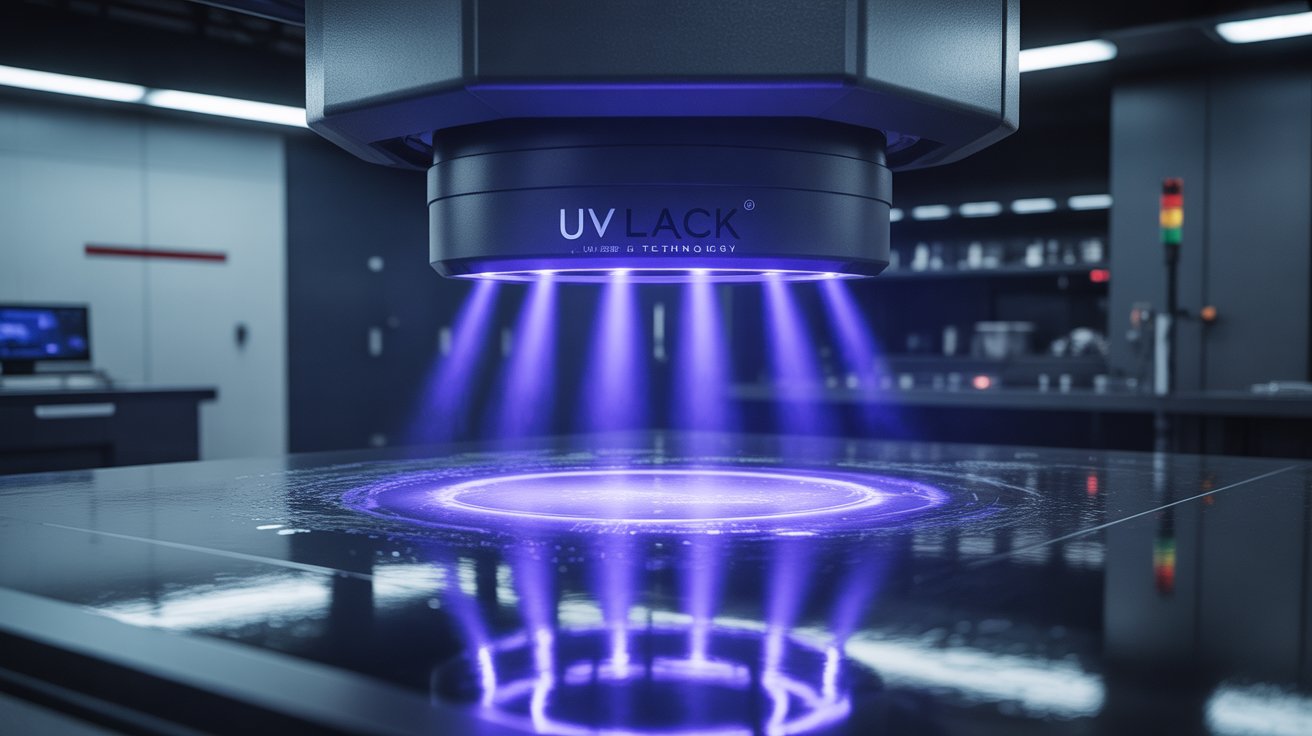
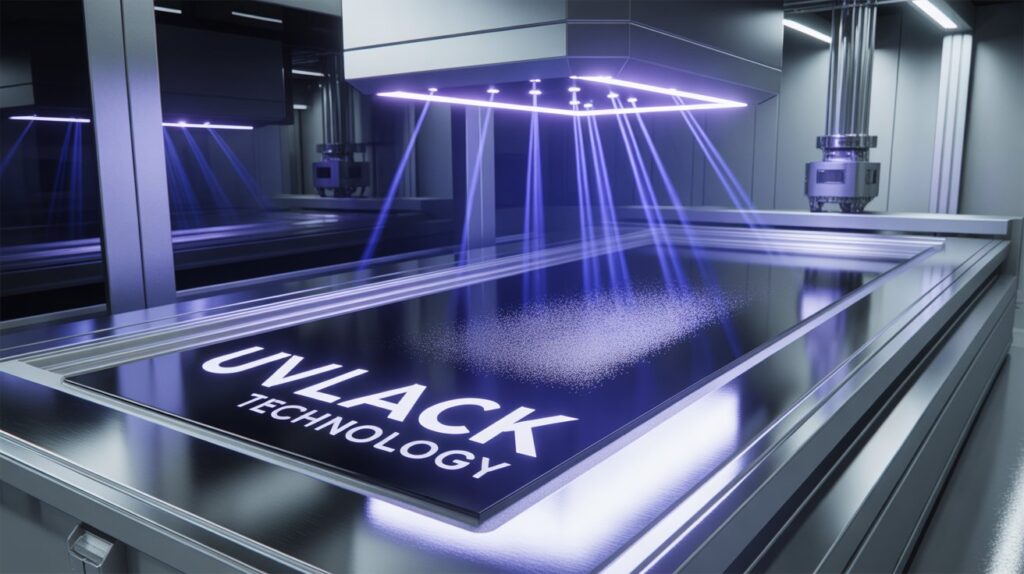
At its core, uvlack is an ultraviolet-curable coating system engineered to deliver superior protection and visual appeal. The name itself reflects its essence: “UV” for ultraviolet light and “Lack,” the European term for varnish or lacquer. Unlike traditional coatings that rely on evaporation or chemical reactions over time, uvlack cures almost instantly when exposed to UV radiation.
This instantaneous curing process is made possible through a sophisticated blend of photoinitiators, oligomers, and monomers. When UV light is applied, these components undergo a rapid cross-linking reaction, forming a hardened, durable film.
Key Characteristics of Uvlack
- Instant curing under UV exposure
- High resistance to scratches and chemicals
- Low or zero VOC emissions
- Exceptional gloss and clarity
- Strong adhesion across multiple materials
The Science Behind the Technology
Photopolymerization Process
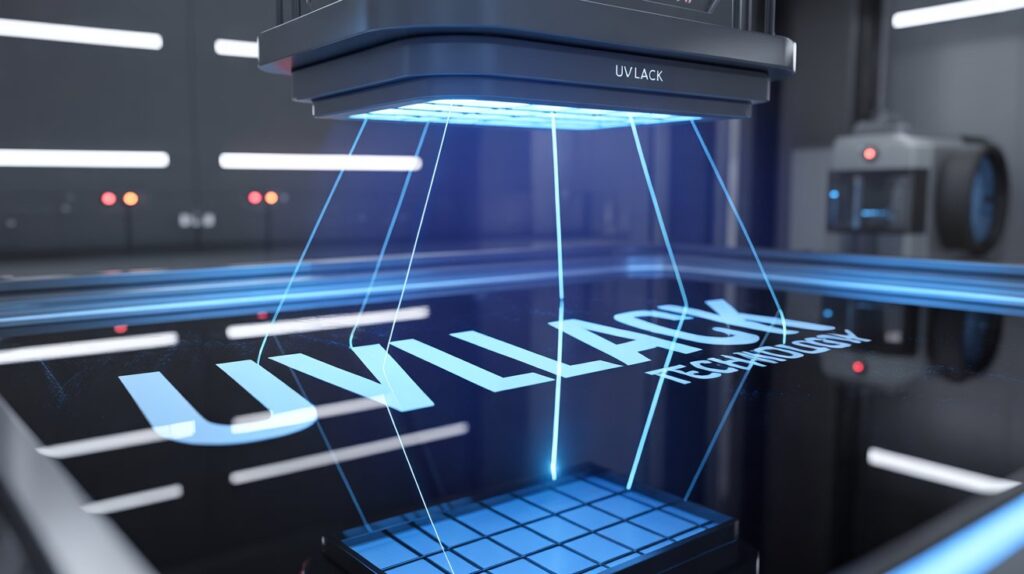
The defining feature of uvlack lies in its photopolymerization mechanism. When ultraviolet light interacts with photoinitiators in the coating, it triggers a chain reaction that rapidly transforms liquid molecules into a solid polymer network.
Role of Nanotechnology
Modern uvlack formulations often incorporate nanotechnology to enhance performance. Nanoparticles improve:
- Surface smoothness
- Resistance to abrasion
- UV stability
- Anti-corrosion properties
This microscopic reinforcement allows coatings to maintain integrity even under harsh environmental conditions.
Cross-Linked Polymer Structure
Unlike traditional coatings that form linear molecular chains, uvlack creates a dense, cross-linked network. This structure provides:
- Superior mechanical strength
- Enhanced durability
- Long-lasting finish
Applications Across Industries
The versatility of uvlack makes it suitable for a wide range of industries, each benefiting from its unique properties.
Automotive Industry
In automotive manufacturing, surface coatings must withstand extreme conditions, including heat, moisture, and mechanical wear. Uvlack offers:
- High-gloss finishes for vehicle exteriors
- Scratch resistance for interior components
- Protection against UV fading
Its rapid curing also accelerates production lines, improving efficiency.
Electronics and Consumer Devices
Modern electronics demand coatings that are both protective and visually appealing. Uvlack is used for:
- Smartphone casings
- Laptop surfaces
- Display coatings
It provides a sleek finish while safeguarding delicate components from scratches and environmental damage.
Furniture and Interior Design
Furniture manufacturers increasingly rely on uvlack to achieve premium aesthetics and durability. Applications include:
- Wooden cabinets and tables
- Decorative panels
- Flooring surfaces
The coating enhances grain visibility while protecting against wear and tear.
Industrial Equipment
In heavy-duty environments, uvlack ensures equipment longevity by:
- Preventing corrosion
- Resisting chemical exposure
- Maintaining structural integrity
Environmental Advantages
One of the most compelling aspects of uvlack is its environmental profile.
Low VOC Emissions
Traditional coatings often release volatile organic compounds (VOCs), contributing to air pollution and health risks. Uvlack significantly reduces or eliminates these emissions, making it a cleaner alternative.
Energy Efficiency
Because curing occurs instantly under UV light, energy consumption is minimized compared to heat-based drying systems.
Waste Reduction
The precision of UV curing reduces material waste, as coatings can be applied more efficiently with minimal overspray.
Performance Benefits
Durability and Longevity
The cross-linked polymer structure ensures that uvlack coatings remain intact for extended periods, even under stress.
Aesthetic Excellence
From matte finishes to high-gloss brilliance, uvlack offers unparalleled visual versatility.
Fast Production Cycles
Manufacturers benefit from reduced drying times, enabling faster turnaround and increased productivity.
Multi-Substrate Compatibility
Uvlack adheres effectively to:
- Wood
- Metal
- Glass
- Plastic
This flexibility makes it an all-in-one solution for diverse applications.
Comparison with Traditional Coatings
| Feature | Uvlack | Traditional Coatings |
|---|---|---|
| Drying Time | Instant (UV curing) | Hours to days |
| VOC Emissions | Low to none | High |
| Durability | High | Moderate |
| Energy Consumption | Low | High |
| Finish Quality | Superior | Variable |
Challenges and Limitations
Despite its advantages, uvlack is not without challenges.
Initial Investment
UV curing equipment can be costly, making initial adoption expensive for smaller manufacturers.
Material Sensitivity
Certain substrates may require pre-treatment to ensure optimal adhesion.
Limited Penetration
UV light may not penetrate deeply into complex shapes, requiring specialized application techniques.
Innovation and Future Potential
The future of uvlack is closely tied to advancements in material science and sustainability.
Smart Coatings
Emerging research focuses on integrating smart functionalities into uvlack, such as:
- Self-healing surfaces
- Anti-microbial properties
- Temperature-responsive finishes
Sustainable Formulations
Efforts are underway to develop bio-based components, further enhancing the eco-friendly nature of uvlack.
Expanded Industrial Adoption
As technology becomes more accessible, uvlack is expected to expand into new sectors, including aerospace and medical devices.
Technology Profile Table (Biography of Uvlack)
| Attribute | Details |
|---|---|
| Name | Uvlack |
| Type | Ultraviolet-curable coating technology |
| Origin Concept | Combination of UV curing and lacquer systems |
| Core Components | Photoinitiators, oligomers, monomers |
| Key Feature | Instant curing under UV light |
| Primary Function | Surface protection and enhancement |
| Industries Used | Automotive, electronics, furniture, industrial manufacturing |
| Environmental Impact | Low VOC emissions, energy-efficient |
| Durability Level | High resistance to scratches and corrosion |
| Innovation Level | Advanced (nanotechnology integration) |
Best Practices for Using Uvlack
Surface Preparation
Proper cleaning and preparation ensure maximum adhesion and performance.
Controlled Application
Uniform coating thickness is essential for consistent curing and finish quality.
UV Exposure Optimization
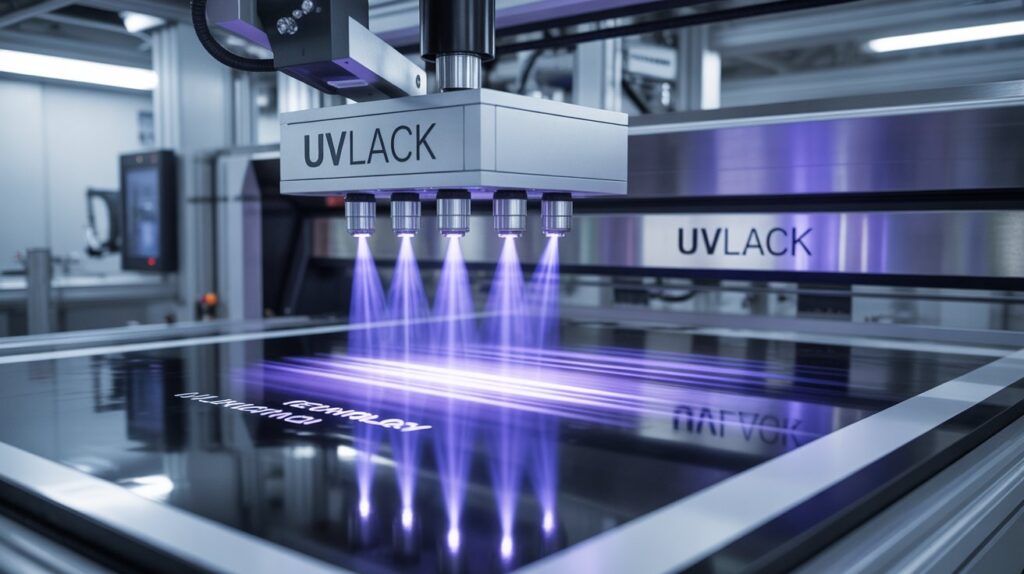
Correct intensity and duration of UV exposure are critical for achieving desired results.
Frequently Asked Questions (FAQs)
What makes uvlack different from regular paint?
Uvlack uses UV light to cure instantly, whereas regular paint relies on air drying or chemical reactions over time. This results in faster processing and superior durability.
Is uvlack environmentally friendly?
Yes, it produces minimal VOC emissions and requires less energy, making it a more sustainable option compared to traditional coatings.
Can uvlack be used on all materials?
It is compatible with many surfaces, including wood, metal, glass, and plastic, though some materials may need preparation.
How long does a uvlack coating last?
Due to its cross-linked structure, uvlack coatings can last significantly longer than conventional finishes, often maintaining integrity for years.
Is special equipment required?
Yes, UV curing systems are necessary to activate the coating and achieve its full benefits.
Does uvlack support different finishes?
Absolutely. It can be formulated for matte, satin, or high-gloss finishes depending on application needs.
Strategic Importance in Modern Manufacturing
As industries increasingly prioritize sustainability, efficiency, and product longevity, uvlack stands at the intersection of all three. Its ability to deliver high-performance results with minimal environmental impact positions it as a key player in the future of surface technology.
Manufacturers adopting uvlack are not only improving product quality but also aligning with global standards for eco-friendly production. This dual advantage ensures its growing relevance in competitive markets.
A Forward-Looking Perspective
Rather than closing the discussion, it is more fitting to view uvlack as an evolving chapter in material science. Its current capabilities already surpass many traditional systems, yet ongoing research promises even greater breakthroughs. As innovation continues, uvlack is poised to become a cornerstone technology in shaping the surfaces of tomorrow.