
Healthcare organizations operate in an environment where precision, efficiency, and coordination are essential. Managing staff schedules in hospitals is far more complex than arranging shifts in ordinary workplaces. Physicians, nurses, technicians, and support staff must be available around the clock while ensuring patient care standards remain high. In this context, workforce management platforms have become indispensable.
One of the most recognized scheduling and workforce management tools used in healthcare settings is smart square thedacare. Designed to streamline scheduling processes, improve staffing efficiency, and enhance operational visibility, this platform has become an important digital infrastructure component for modern healthcare institutions.
This article explores the functionality, benefits, operational framework, and strategic importance of smart square thedacare, offering a detailed understanding of how the platform contributes to healthcare workforce optimization.
Understanding Smart Square ThedaCare
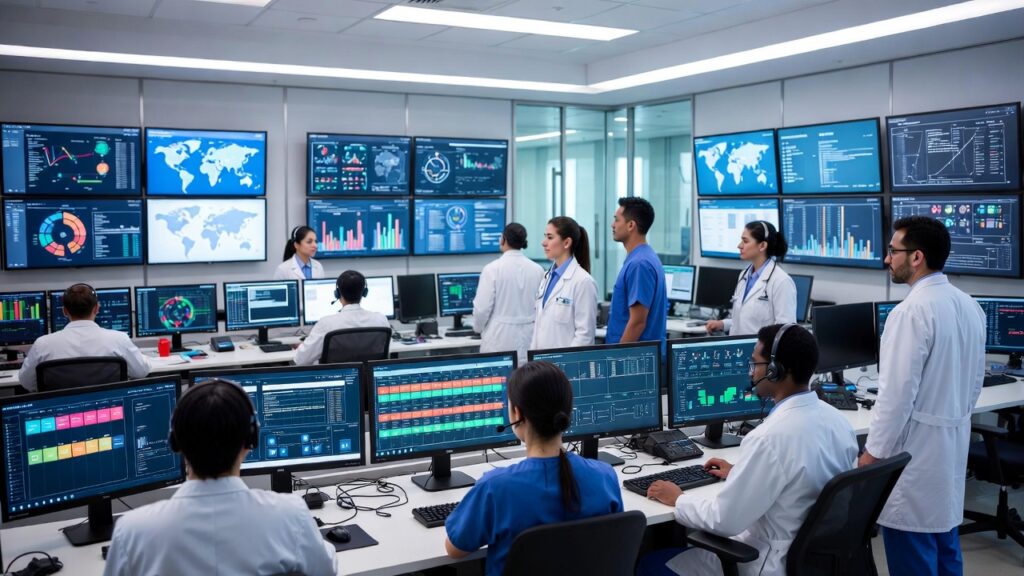
At its core, smart square thedacare is a workforce management and scheduling platform specifically designed for healthcare environments. Hospitals and health systems operate with complex staffing demands, and this platform helps administrators coordinate personnel while maintaining efficiency and compliance.
The system integrates scheduling, staffing analytics, and workforce forecasting into a centralized digital environment. Rather than relying on manual scheduling methods or fragmented tools, administrators can view staffing needs, manage shift assignments, and analyze workforce data within a unified platform.
By combining automation with intelligent forecasting, smart square thedacare supports hospital managers in making informed staffing decisions that balance patient care requirements with employee workload.
The Healthcare Network Behind the System
The system is associated with ThedaCare, a prominent healthcare organization known for adopting innovative operational strategies. As healthcare systems expand and patient demand fluctuates, institutions require tools capable of adapting to real-time staffing needs.
Through the integration of advanced workforce management technology, smart square thedacare enables healthcare leaders to manage clinical staff effectively while maintaining transparency and efficiency.
Platform Profile
Although not a person or biography in the traditional sense, digital platforms can also be summarized through structured profile data. Below is a concise overview of the system presented in a biography-style table.
| Attribute | Details |
|---|---|
| Platform Name | smart square thedacare |
| Category | Healthcare Workforce Management System |
| Primary Function | Staff scheduling and workforce optimization |
| Industry | Healthcare Administration |
| Key Users | Nurses, physicians, administrators, hospital managers |
| Core Features | Scheduling automation, staffing analytics, workforce forecasting |
| Deployment | Secure hospital network systems |
| Primary Objective | Improve staffing efficiency and patient care coordination |
This structured profile highlights the essential characteristics that define smart square thedacare as a modern healthcare workforce management solution.
Why Workforce Management Matters in Healthcare
Hospitals differ from many other organizations in their operational complexity. Staffing shortages, fluctuating patient volumes, and specialized clinical roles create an environment where scheduling must be handled carefully.
Without advanced workforce management tools, administrators often face several challenges:
- Overworked medical staff
- Inconsistent scheduling
- Understaffed departments
- Increased operational costs
- Reduced patient care quality
Platforms such as smart square thedacare help address these issues by providing visibility into workforce allocation and enabling proactive staffing adjustments.
Core Features of Smart Square ThedaCare
Automated Staff Scheduling
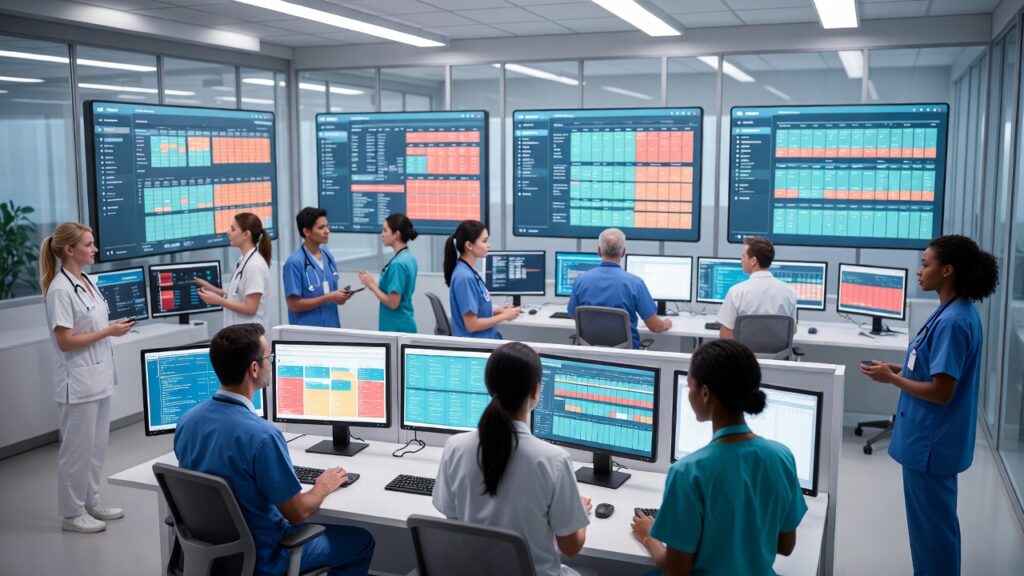
One of the most valuable functions of smart square thedacare is its automated scheduling capability. Instead of manually assigning shifts, administrators can rely on intelligent algorithms to generate optimized schedules.
The system considers multiple variables, including:
- Employee availability
- Department requirements
- Certification and skill levels
- Overtime restrictions
- Staffing ratios
By integrating these factors, the platform produces balanced schedules that support both operational efficiency and staff well-being.
Workforce Forecasting
Healthcare demand can fluctuate significantly due to seasonal illnesses, emergency events, or community health trends. Forecasting tools within smart square thedacare help administrators anticipate staffing needs before shortages occur.
Using historical data and predictive analytics, the platform estimates patient volume and recommends appropriate staffing levels. This proactive approach reduces last-minute scheduling crises.
Real-Time Staffing Visibility
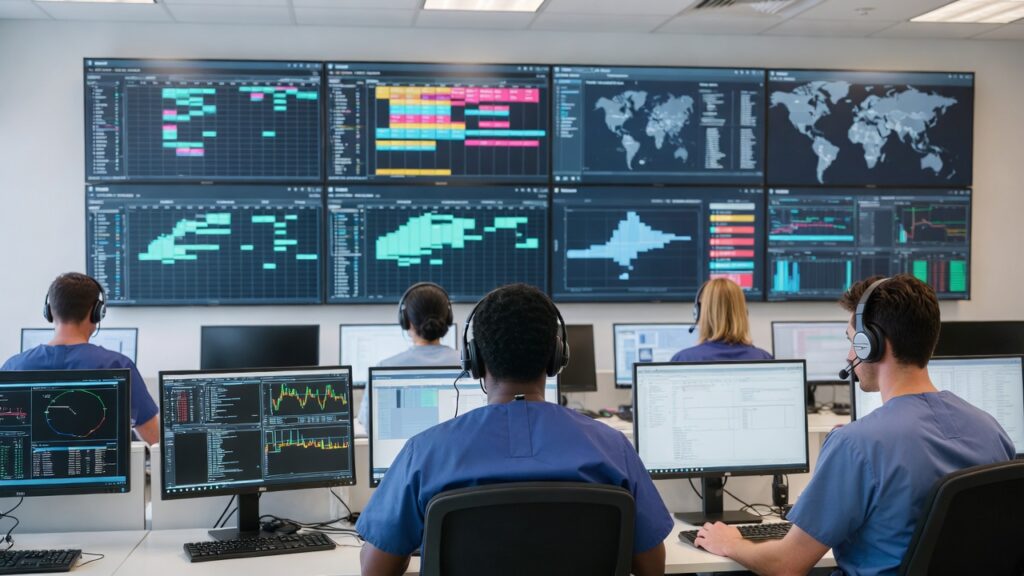
Hospital administrators must maintain constant awareness of staffing levels across departments. smart square thedacare offers real-time dashboards that display workforce distribution throughout the organization.
Managers can quickly identify:
- Units with staffing shortages
- Overstaffed departments
- Available personnel for reassignment
This real-time insight ensures that resources are deployed where they are most needed.
Shift Management and Self-Service
Another major advantage of smart square thedacare is its employee self-service functionality. Healthcare workers can access schedules, request shift swaps, and update availability directly through the platform.
This feature provides several benefits:
- Reduced administrative workload
- Improved employee autonomy
- Faster schedule adjustments
- Greater transparency in shift management
When employees have greater control over scheduling, job satisfaction often improves as well.
Operational Benefits for Healthcare Institutions
Improved Staff Utilization
Hospitals must carefully balance staffing levels to maintain efficiency without overburdening employees. smart square thedacare allows administrators to allocate staff more effectively by analyzing workload distribution.
As a result, organizations can maximize productivity while preventing burnout among healthcare professionals.
Enhanced Patient Care
Patient care quality is closely linked to staffing levels. When hospitals are understaffed, medical professionals may struggle to maintain attention to detail and responsiveness.
By ensuring appropriate staff coverage, smart square thedacare indirectly contributes to better patient outcomes and improved hospital performance.
Reduced Administrative Burden
Traditional scheduling processes often involve spreadsheets, emails, and manual coordination. These methods are time-consuming and prone to errors.
Automation within smart square thedacare dramatically reduces administrative tasks, allowing managers to focus on strategic operations rather than routine scheduling adjustments.
Cost Optimization
Healthcare organizations operate under strict budget constraints. Inefficient scheduling can lead to unnecessary overtime costs and staffing imbalances.
Through data-driven workforce management, smart square thedacare helps hospitals control labor expenses while maintaining operational effectiveness.
How the System Supports Healthcare Staff
While the platform benefits administrators, it also plays an important role in improving the work experience of healthcare employees.
Greater Schedule Transparency
Employees can easily view their schedules, upcoming shifts, and department assignments through smart square thedacare. This visibility helps staff plan their professional and personal commitments more effectively.
Simplified Shift Swaps
In healthcare environments, unexpected schedule conflicts are common. The system allows employees to request shift swaps directly within the platform.
This streamlined process eliminates lengthy communication chains and accelerates schedule adjustments.
Better Work-Life Balance
Burnout remains a significant issue in healthcare professions. By distributing workloads more evenly, smart square thedacare supports healthier scheduling practices.
Balanced schedules help medical professionals maintain energy levels and sustain high standards of patient care.
Technology Behind the Platform
Modern workforce management platforms rely on advanced digital infrastructure. smart square thedacare incorporates several technological components to ensure reliability and performance.
These include:
- Data analytics systems
- Predictive staffing algorithms
- Secure hospital network integration
- Real-time scheduling dashboards
- Role-based access controls
Together, these technologies create a stable and secure environment for managing sensitive workforce data.
Integration with Hospital Operations
For a workforce management platform to be effective, it must align with the broader hospital ecosystem. smart square thedacare typically integrates with other operational systems, including:
- Human resource management systems
- Payroll systems
- Clinical department scheduling tools
- Organizational reporting platforms
This integration allows data to flow seamlessly between systems, improving overall operational coordination.
Strategic Importance in Modern Healthcare
Healthcare systems worldwide face increasing operational challenges. Rising patient demand, workforce shortages, and financial pressures require hospitals to adopt smarter management tools.
Platforms like smart square thedacare play a critical role in addressing these challenges by enabling:
- Data-driven decision-making
- Efficient resource allocation
- Transparent workforce coordination
- Long-term staffing planning
By improving scheduling precision and operational oversight, such platforms support the sustainability of healthcare organizations.
Challenges and Considerations
Although workforce management platforms offer numerous advantages, successful implementation requires careful planning.
Healthcare organizations adopting smart square thedacare must consider factors such as:
- Staff training and adoption
- System integration with existing infrastructure
- Data security and compliance requirements
- Change management strategies
When these elements are addressed effectively, the platform can deliver substantial long-term benefits.
The Future of Healthcare Workforce Management
Healthcare is entering an era defined by digital transformation. Advanced analytics, artificial intelligence, and predictive technologies are reshaping how hospitals manage operations.
Within this evolving landscape, systems like smart square thedacare represent a crucial step toward smarter workforce management.
Future developments may include:
- Advanced predictive staffing models
- Integration with patient flow analytics
- Mobile-first workforce management tools
- Enhanced decision-support systems for hospital administrators
As healthcare technology continues to evolve, workforce management platforms will remain central to operational efficiency.
Deduction
Efficient staffing is one of the most critical components of hospital operations. Without proper workforce coordination, healthcare institutions struggle to maintain service quality, employee satisfaction, and financial stability.
smart square thedacare addresses these challenges by providing a sophisticated platform for scheduling, staffing analysis, and workforce optimization. By integrating automation, analytics, and real-time operational insights, the system enables healthcare administrators to manage complex staffing environments with greater precision.
For healthcare professionals and administrators alike, smart square thedacare represents more than just a scheduling tool. It is a strategic resource that supports balanced workloads, improved patient care, and sustainable hospital operations.
As healthcare systems continue to evolve, platforms that combine intelligent scheduling with data-driven workforce insights will play an increasingly important role in shaping the future of medical administration.