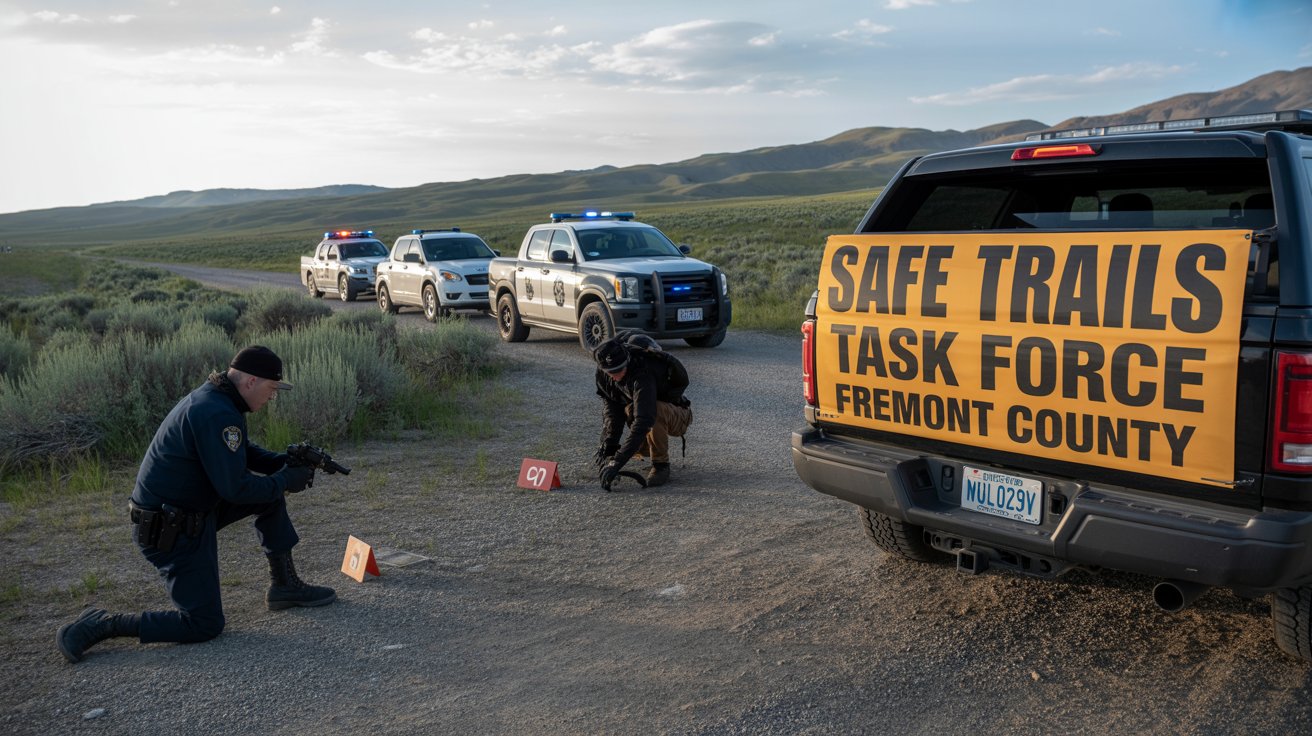
In the evolving landscape of public safety, collaborative law enforcement models have emerged as one of the most effective responses to complex criminal challenges. Among these initiatives, the Safe Trails Task Force Fremont County stands out as a powerful example of how multi-agency coordination can address deeply rooted issues such as drug trafficking, violent crime, and the crisis of missing and murdered Indigenous persons. With its operations centered in Wyoming’s Fremont County—home to the Wind River Indian Reservation—this task force reflects a modern, intelligence-driven approach to justice and community well-being.
This article provides a detailed, structured, and insightful exploration of the Safe Trails Task Force Fremont County, including its formation, mission, operational strategies, impact, and future outlook.
Understanding the Foundation of the Initiative
The Need for a Coordinated Response
Fremont County has historically faced unique challenges due to its geographic size, demographic composition, and jurisdictional complexity. The presence of tribal lands, combined with rural expanses, has made law enforcement coordination more difficult. Criminal networks, particularly those involved in narcotics distribution, often exploit these complexities.
The Safe Trails Task Force Fremont County was established to bridge these gaps. Rather than allowing fragmented responses, the initiative integrates federal, state, local, and tribal law enforcement agencies under a unified command structure.
Leadership and Federal Oversight
At the core of the Safe Trails Task Force Fremont County is federal leadership, spearheaded by the Federal Bureau of Investigation. This leadership ensures access to advanced forensic capabilities, national intelligence databases, and cross-state coordination.
Federal oversight also enhances accountability and ensures that investigations meet rigorous standards, particularly in cases involving serious violent crimes or organized drug operations.
Core Mission and Strategic Objectives
Combating Drug Trafficking Networks
One of the primary objectives of the Safe Trails Task Force Fremont County is to dismantle drug trafficking organizations operating within and around the Wind River Indian Reservation. The focus is particularly on synthetic opioids such as fentanyl, which have caused devastating impacts on communities nationwide.
The task force employs a combination of:
- Undercover operations
- Surveillance and intelligence gathering
- Financial tracking of illicit networks
- Coordinated arrests and prosecutions
This multi-layered strategy disrupts not only street-level distribution but also higher-level supply chains.
Addressing Violent Crime
Violent crime reduction is another central pillar. The Safe Trails Task Force Fremont County prioritizes cases involving homicide, assault, and domestic violence, particularly those affecting vulnerable populations.
Through coordinated investigations, the task force ensures that cases do not fall through jurisdictional cracks—a common issue in areas where tribal, state, and federal laws intersect.
Tackling the MMIP Crisis
The issue of Missing and Murdered Indigenous Persons (MMIP) has gained national attention in recent years. The Safe Trails Task Force Fremont County plays a crucial role in addressing this crisis.
Efforts include:
- Reopening cold cases
- Improving data collection and reporting
- Enhancing communication with families and tribal leaders
- Providing victim support services
By prioritizing these cases, the task force brings visibility and urgency to an issue that has historically been under-addressed.
Multi-Jurisdictional Collaboration
Participating Agencies
The strength of the Safe Trails Task Force Fremont County lies in its collaborative framework. Key participating agencies include:
- Fremont County Sheriff’s Office
- Wyoming Division of Criminal Investigation
- Riverton Police Department
- Lander Police Department
- Federal investigative units
Each agency contributes specialized expertise, creating a comprehensive enforcement network.
Integrated Intelligence Sharing
A defining feature of the Safe Trails Task Force Fremont County is its emphasis on intelligence sharing. Information flows seamlessly between agencies, enabling real-time responses to emerging threats.
This integration includes:
- Shared databases
- Joint briefings
- Coordinated field operations
- Centralized case management systems
Such mechanisms significantly reduce duplication of efforts and improve investigative efficiency.
Operational Structure and Methodology
Task Force Composition
The Safe Trails Task Force Fremont County is composed of a diverse team of professionals, including:
- Special agents
- Detectives
- Intelligence analysts
- Forensic specialists
This interdisciplinary structure allows for a holistic approach to crime-solving.
Evidence-Based Investigations
Every operation conducted by the Safe Trails Task Force Fremont County is grounded in evidence-based methodologies. Investigators rely on:
- Digital forensics
- DNA analysis
- Financial records
- Witness testimony
This ensures that cases are prosecutable and stand up to legal scrutiny.
Community Engagement
Beyond enforcement, the Safe Trails Task Force Fremont County actively engages with the community. Public trust is considered essential for long-term success.
Community initiatives include:
- Awareness campaigns about drug abuse
- Public safety workshops
- Collaboration with tribal leaders
- Youth outreach programs
These efforts foster cooperation and encourage residents to report suspicious activities.
Impact on Fremont County Communities
Reduction in Drug Availability
One of the measurable outcomes of the Safe Trails Task Force Fremont County has been the disruption of drug supply chains. Targeted operations have led to significant seizures of narcotics, particularly fentanyl.
This reduction directly contributes to:
- Lower overdose rates
- Improved community health
- Increased public confidence in law enforcement
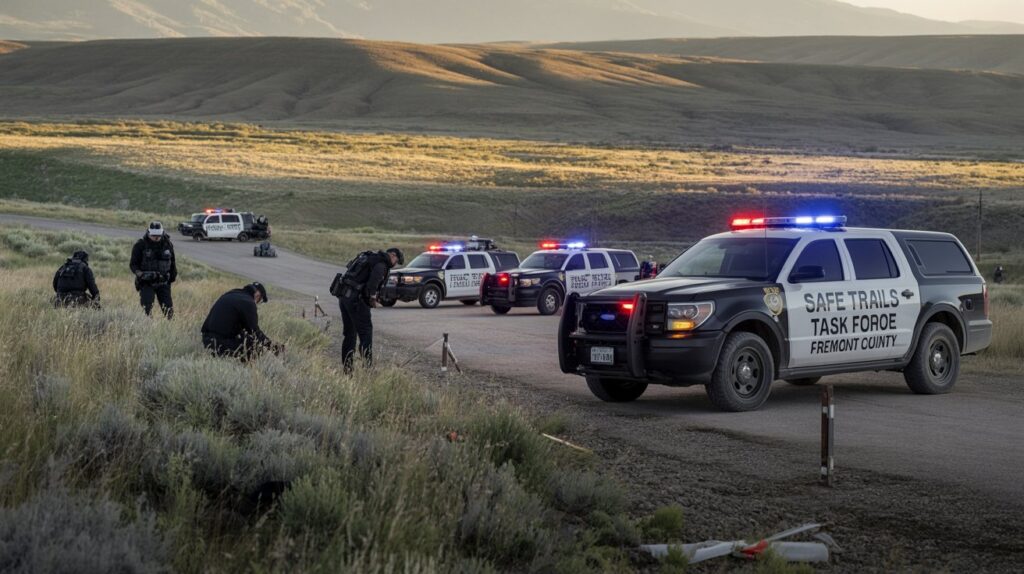
Improved Case Resolution Rates
The task force has also improved the resolution rates of violent crimes. Cases that previously stalled due to jurisdictional challenges are now being actively investigated and resolved.
Families of victims have benefited from renewed attention and progress in long-standing cases.
Strengthened Tribal Relations
The Safe Trails Task Force Fremont County has played a key role in strengthening relationships between law enforcement agencies and tribal communities.
By involving tribal authorities and respecting cultural considerations, the task force builds trust and ensures more effective collaboration.
Challenges and Complexities
Jurisdictional Overlaps
Despite its success, the Safe Trails Task Force Fremont County operates in a legally complex environment. Jurisdictional overlaps between tribal, state, and federal authorities can still pose challenges.
However, the task force mitigates these issues through:
- Clear protocols
- Legal coordination
- Regular inter-agency communication
Resource Allocation
Maintaining a multi-agency initiative requires substantial resources, including funding, personnel, and technology. Ensuring consistent support remains an ongoing priority.
Community Sensitivities
Working within Indigenous communities requires cultural awareness and sensitivity. The Safe Trails Task Force Fremont County emphasizes respectful engagement and transparency to address these concerns.
Innovations and Technological Advancements
Use of Advanced Forensics
The Safe Trails Task Force Fremont County leverages cutting-edge forensic technologies, including:
- DNA sequencing
- Digital evidence recovery
- Cybercrime analysis tools
These technologies enhance investigative accuracy and speed.
Data-Driven Policing
Data analytics play a significant role in identifying crime patterns and predicting potential threats. This proactive approach allows the task force to intervene before crimes escalate.
Communication Systems
Secure communication platforms ensure that all participating agencies remain connected. This real-time coordination is critical during high-risk operations.
Training and Capacity Building
Specialized Training Programs
Members of the Safe Trails Task Force Fremont County undergo continuous training in areas such as:
- Drug enforcement tactics
- Cultural competency
- Crisis intervention
- Advanced investigative techniques
This ensures that personnel remain equipped to handle evolving challenges.
Knowledge Sharing
The task force also serves as a platform for knowledge exchange. Agencies learn from each other’s experiences, leading to improved overall performance.
Future Directions and Strategic Vision
Expanding Scope
The Safe Trails Task Force Fremont County is expected to expand its scope to address emerging threats such as cyber-enabled crimes and human trafficking.
Enhancing Community Partnerships
Future plans include deeper engagement with community organizations, educational institutions, and healthcare providers.
Sustaining Long-Term Impact
Sustainability remains a key focus. By institutionalizing best practices and securing ongoing funding, the task force aims to maintain its effectiveness for years to come.
Biography Table: Organizational Profile
| Attribute | Details |
|---|---|
| Initiative Name | Safe Trails Task Force Fremont County |
| Lead Agency | Federal Bureau of Investigation |
| Region | Fremont County, Wyoming |
| Key Focus Areas | Drug trafficking, violent crime, MMIP cases |
| Participating Agencies | Federal, state, local, and tribal law enforcement |
| Established Purpose | Multi-jurisdictional crime prevention and investigation |
| Core Strategy | Intelligence sharing and coordinated enforcement |
| Primary Target | Fentanyl distribution networks and violent offenders |
| Community Role | Public safety, outreach, and victim support |
| Operational Model | Collaborative, data-driven policing |
Frequently Asked Questions
What is the main purpose of the Safe Trails Task Force Fremont County?
The primary purpose of the Safe Trails Task Force Fremont County is to combat drug trafficking and violent crime through coordinated efforts among federal, state, local, and tribal law enforcement agencies.
Which crimes are prioritized by the task force?
The Safe Trails Task Force Fremont County focuses on drug distribution—especially fentanyl—violent crimes, and cases related to Missing and Murdered Indigenous Persons.
How does the task force improve law enforcement efficiency?
By integrating intelligence sharing, joint operations, and advanced forensic resources, the Safe Trails Task Force Fremont County eliminates duplication and enhances investigative outcomes.
What role does the community play?
Community cooperation is vital. The Safe Trails Task Force Fremont County engages with residents through outreach programs, encouraging reporting and fostering trust.
Why is the initiative significant for tribal regions?
The Safe Trails Task Force Fremont County addresses jurisdictional challenges unique to tribal lands, ensuring that crimes are effectively investigated and prosecuted.
How does the task force handle cold cases?
The Safe Trails Task Force Fremont County reopens cold cases using modern forensic tools and renewed investigative efforts, particularly in MMIP cases.
Is the task force a permanent initiative?
While subject to funding and policy decisions, the Safe Trails Task Force Fremont County is designed as a long-term strategy for sustained public safety improvements.
A Continuing Narrative of Safety and Accountability
The Safe Trails Task Force Fremont County represents more than a law enforcement initiative; it embodies a commitment to justice, collaboration, and community resilience. Its model demonstrates how integrated approaches can effectively address complex challenges, offering a blueprint for similar regions across the country.
As the landscape of crime continues to evolve, the Safe Trails Task Force Fremont County remains a dynamic and adaptive force—one that aligns strategic enforcement with the broader goal of community well-being.