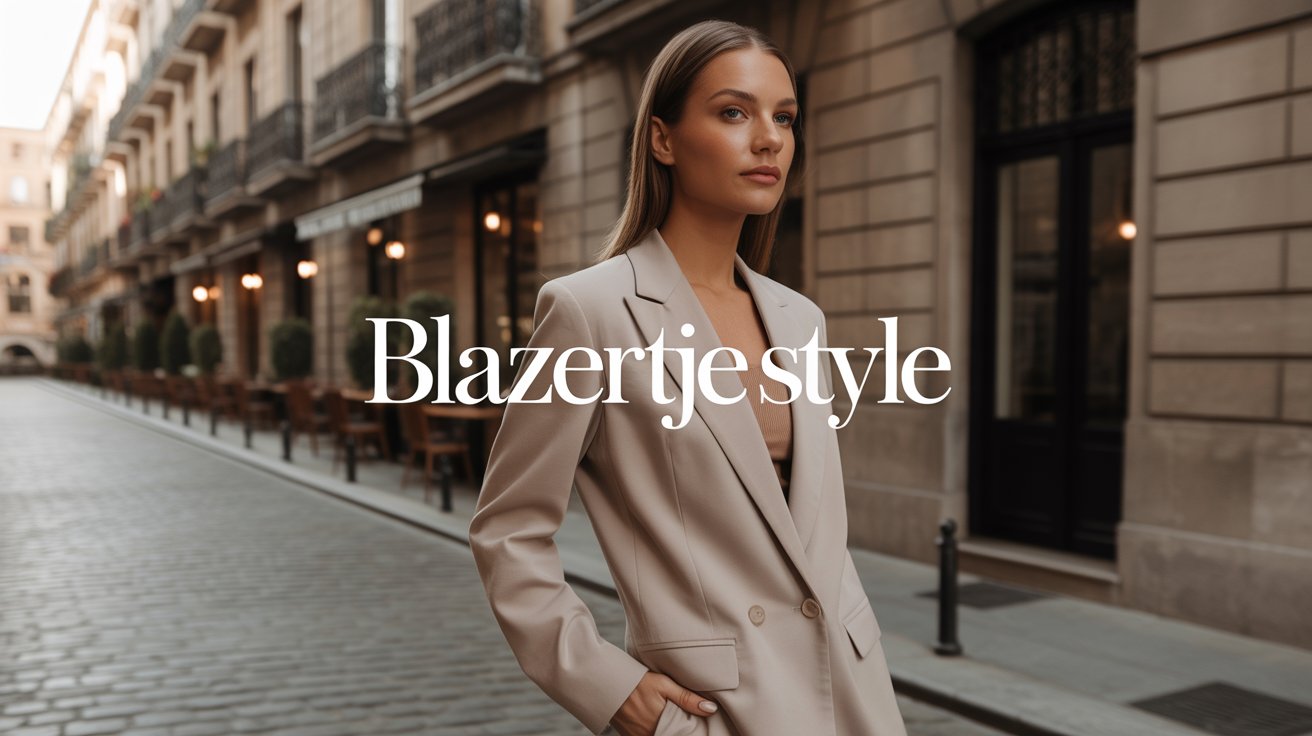
The word blazertje may sound delicate and charming, but within the world of fashion, it represents far more than a simple garment. Rooted in Dutch language and culture, the term refers to a smaller, more fitted version of the classic blazer—often designed for women or children. Yet its influence extends well beyond linguistics. The blazertje has become a symbol of refined simplicity, bridging the divide between casual ease and polished sophistication.
In contemporary wardrobes, where versatility is valued as much as aesthetics, the blazertje holds a distinct position. It is not merely an item of clothing; it is a styling philosophy that embraces structure without rigidity, elegance without excess, and practicality without compromise.
Understanding the Meaning and Origin of “Blazertje”
The term blazertje originates from Dutch, where the suffix “-tje” serves as a diminutive form. Essentially, it transforms the word blazer into something smaller, softer, or more tailored. However, its meaning goes beyond size.
In fashion terminology, blazertje conveys:
- A lighter, more fitted blazer
- A garment with a feminine or youthful silhouette
- A jacket designed for adaptability across occasions
Unlike the traditional blazer—which often carries connotations of formal menswear—the blazertje introduces a sense of approachability and modernity.
The Evolution of the Blazertje
From Classic Blazers to Contemporary Essentials
The traditional blazer traces its origins to naval uniforms and later to British sporting clubs. Over time, it transitioned into mainstream fashion, becoming a staple in both men’s and women’s wardrobes.
The blazertje, however, represents a more recent evolution. As fashion shifted toward personalization and comfort, designers began reimagining the blazer:
- Slimmer cuts replaced boxy silhouettes
- Softer fabrics enhanced wearability
- Shorter lengths added versatility
This transformation gave rise to the blazertje, a garment perfectly aligned with modern lifestyle demands.

Key Characteristics of a Blazertje
1. Tailored Fit
A defining feature of the blazertje is its fitted structure. Unlike oversized jackets, it contours the body, creating a clean and flattering silhouette.
2. Lightweight Construction
Most blazertjes are made from lighter fabrics such as cotton blends, linen, or soft wool, making them suitable for year-round wear.
3. Versatile Length
From cropped versions (kort blazertje) to hip-length styles, the range allows wearers to adapt the piece to different outfits and occasions.
4. Minimalist Detailing
Rather than heavy embellishments, the blazertje typically features:
- Subtle lapels
- Streamlined buttons
- Clean stitching
This simplicity enhances its adaptability.
Why the Blazertje Is a Wardrobe Staple
A Perfect Balance Between Casual and Formal
Few garments transition as seamlessly as the blazertje. It can elevate a simple outfit or soften a formal look.
- Pair it with jeans for a smart-casual ensemble
- Layer it over a dress for an elegant appearance
- Combine it with tailored trousers for professional settings
Seasonless Appeal
Because of its lightweight nature, the blazertje can be worn in multiple seasons:
- Spring: Over floral dresses
- Summer: With breathable fabrics
- Autumn: Layered with scarves
- Winter: Under heavier coats
Effortless Styling
The blazertje simplifies outfit planning. Its structured design instantly refines any look, making it a reliable choice for busy lifestyles.
Types of Blazertjes
Kort Blazertje (Short Blazer)
This cropped style sits above the hips, making it ideal for:
- High-waisted trousers
- Skirts
- Dresses
It adds a modern, youthful edge to outfits.
Getailleerd Blazertje (Fitted Blazer)
Designed to hug the waist, this version enhances body shape and creates a polished silhouette.
Casual Blazertje
Made from relaxed fabrics like jersey or linen, this type is perfect for everyday wear.
Formal Blazertje
Featuring structured shoulders and refined tailoring, this variation is suitable for business or formal events.
Fabric Choices and Their Impact
The fabric of a blazertje plays a crucial role in its appearance and functionality.
Cotton Blends
- Breathable and comfortable
- Ideal for daily wear
Linen
- Lightweight and airy
- Perfect for warm climates
Wool
- Offers structure and warmth
- Suitable for cooler seasons
Synthetic Blends
- Durable and wrinkle-resistant
- Often used for travel-friendly designs
Styling the Blazertje: Practical Combinations
Smart-Casual Look
Combine a neutral blazertje with:
- Slim-fit jeans
- A plain t-shirt
- Minimal accessories
This creates a balanced, polished yet relaxed outfit.
Professional Ensemble
For office settings:
- Pair a fitted blazertje with tailored trousers
- Add a blouse or button-down shirt
- Complete with classic footwear
Evening Elegance
For events or dinners:
- Wear a structured blazertje over a dress
- Choose darker tones like black or navy
- Add subtle jewelry
Street Style Approach
Modern fashion embraces creativity:
- Layer a cropped blazertje over oversized shirts
- Mix textures and patterns
- Incorporate sneakers for contrast
Cultural Influence in Dutch and Belgian Fashion
In the Netherlands and Belgium, the blazertje reflects a broader cultural approach to fashion—practical, understated, and refined.
Unlike trend-driven markets, these regions emphasize:
- Longevity over fast fashion
- Neutral color palettes
- Functional elegance
The blazertje aligns perfectly with these values, serving as a reliable and stylish everyday garment.
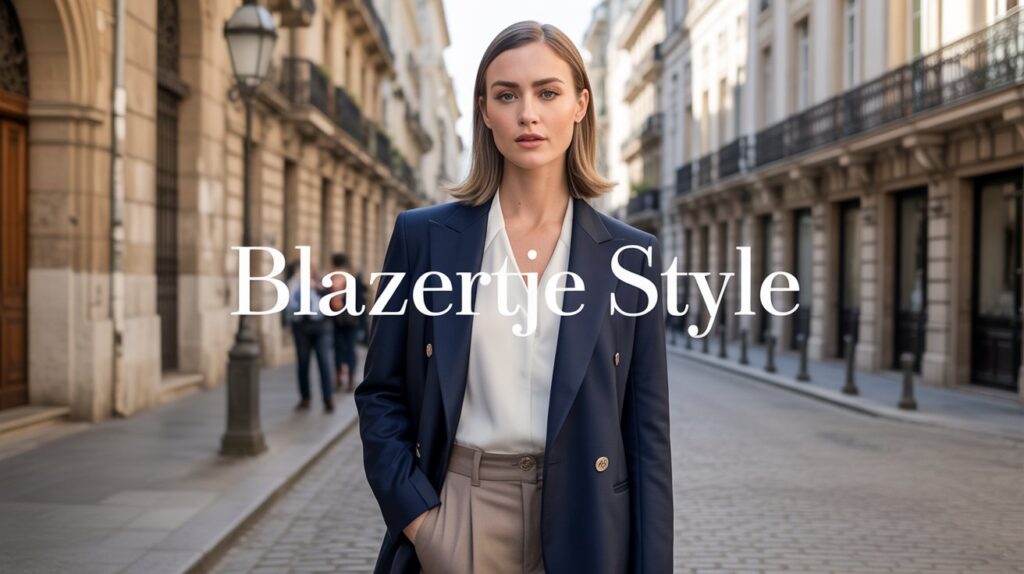
Blazertje in Modern Fashion Trends
Minimalism and Capsule Wardrobes
As more people adopt minimalist lifestyles, the blazertje has gained prominence. It fits seamlessly into capsule wardrobes, where each item must serve multiple purposes.
Sustainable Fashion Movement
With increasing awareness of environmental impact, consumers are investing in versatile pieces. A high-quality blazertje reduces the need for multiple jackets, supporting sustainable consumption.
Gender-Neutral Styling
Although traditionally associated with women’s fashion, modern interpretations blur gender boundaries. The blazertje is now embraced in unisex collections, reflecting evolving fashion norms.
Care and Maintenance
Proper care ensures the longevity of a blazertje.
Cleaning
- Follow fabric-specific instructions
- Dry cleaning is recommended for structured pieces
Storage
- Use padded hangers to maintain shape
- Avoid overcrowding in wardrobes
Ironing and Steaming
- Light steaming preserves fabric integrity
- Avoid excessive heat on delicate materials
Common Mistakes to Avoid
Choosing the Wrong Fit
A poorly fitted blazertje can undermine its elegance. Always prioritize:
- Proper shoulder alignment
- Comfortable sleeve length
- Defined waist structure
Overaccessorizing
The simplicity of a blazertje is its strength. Excessive accessories can detract from its clean design.
Ignoring Fabric Quality
Investing in high-quality materials ensures durability and a better overall appearance.
Biography Table: The Blazertje at a Glance
| Attribute | Details |
|---|---|
| Name | Blazertje |
| Origin | Dutch language and fashion culture |
| Meaning | Diminutive form of blazer; small or fitted blazer |
| Primary Use | Versatile outerwear for casual to formal settings |
| Target Audience | Primarily women and children; increasingly unisex |
| Key Features | Tailored fit, lightweight fabric, minimalist design |
| Variations | Kort blazertje, getailleerd blazertje, casual, formal |
| Styling Flexibility | High—pairs with jeans, dresses, and formal attire |
| Seasonal Adaptability | Suitable for all seasons with appropriate layering |
| Fashion Significance | Represents modern, practical elegance |
The Psychological Appeal of the Blazertje
Clothing often influences perception and confidence. The blazertje offers a unique psychological advantage:
- It conveys professionalism without stiffness
- It enhances confidence through structure
- It allows self-expression through styling
Wearing a blazertje can subtly shift how individuals feel and how they are perceived by others.
The Future of the Blazertje
Fashion continues to evolve, but certain garments endure. The blazertje is poised to remain relevant due to:
- Its adaptability
- Its alignment with sustainable fashion
- Its timeless design
Designers are likely to experiment with:
- Innovative fabrics
- Modular designs
- Hybrid styles combining comfort and structure
Frequently Asked Questions (FAQs)
What is the difference between a blazer and a blazertje?
A blazer is typically more structured and formal, while a blazertje is lighter, more fitted, and designed for versatility across casual and semi-formal settings.
Can a blazertje be worn year-round?
Yes, depending on the fabric. Lightweight materials are suitable for warmer months, while wool or layered styles work well in colder seasons.
Is the blazertje only for women?
Traditionally, it has been associated with women’s fashion, but modern designs increasingly cater to all genders.
How should a blazertje fit?
It should fit snugly at the shoulders, taper slightly at the waist, and allow comfortable movement without appearing oversized.
What colors are most popular?
Neutral tones such as black, navy, beige, and gray are most common due to their versatility, though seasonal trends may introduce bolder colors.
Can it replace a formal blazer?
In many cases, yes. A well-tailored blazertje can serve as a more comfortable alternative to traditional formal blazers.
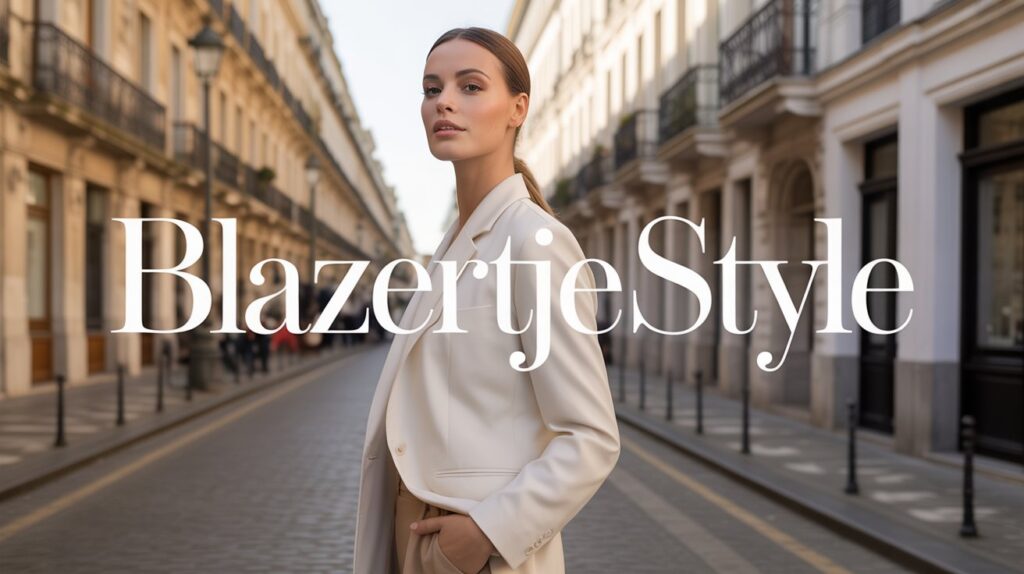
A Closing Perspective: Style in Its Most Refined Form
The blazertje exemplifies how fashion can evolve without losing its essence. It distills the classic blazer into a more approachable, adaptable form—one that aligns with contemporary lifestyles while maintaining a sense of timeless elegance.
In a world where clothing choices reflect identity, practicality, and aesthetic sensibility, the blazertje stands as a quiet yet powerful statement. It does not demand attention; it earns it through subtlety, precision, and enduring relevance.