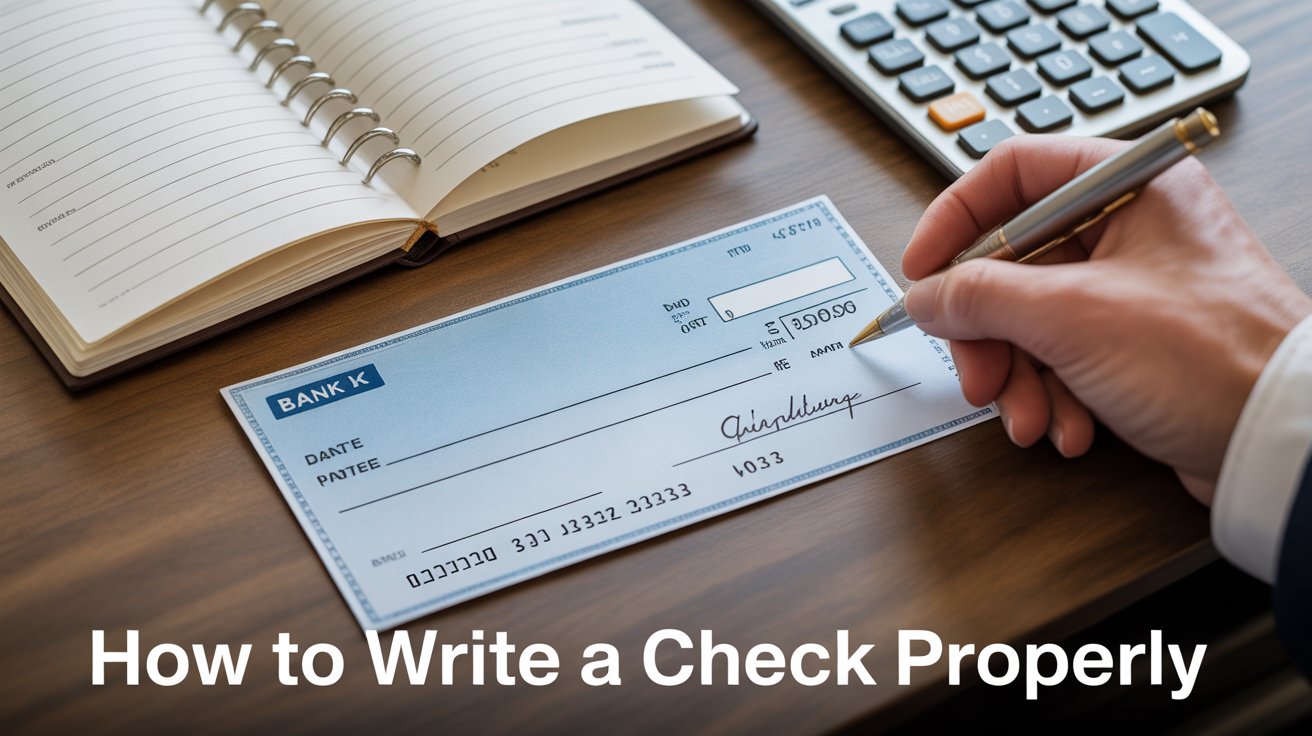
In an increasingly digital financial landscape, paper checks may seem like relics of a bygone era. Yet they remain a trusted, widely accepted method of payment for rent, utilities, business transactions, and personal transfers. Understanding How to Write a Check Properly is not only a practical skill but also a mark of financial literacy and responsibility.
This comprehensive guide explores every aspect of check writing—from the anatomy of a check to best practices, common mistakes, and security considerations—crafted in a refined, editorial style that balances clarity with depth.
The Enduring Relevance of Checks
Despite the dominance of online banking and digital wallets, checks continue to serve a critical role in financial ecosystems worldwide. Their tangible nature offers a sense of accountability and traceability that many still value.
Learning How to Write a Check Properly ensures you can confidently handle situations where electronic payments are unavailable or impractical. It also minimizes errors, prevents fraud, and maintains professional credibility.
Anatomy of a Check: Understanding Every Section
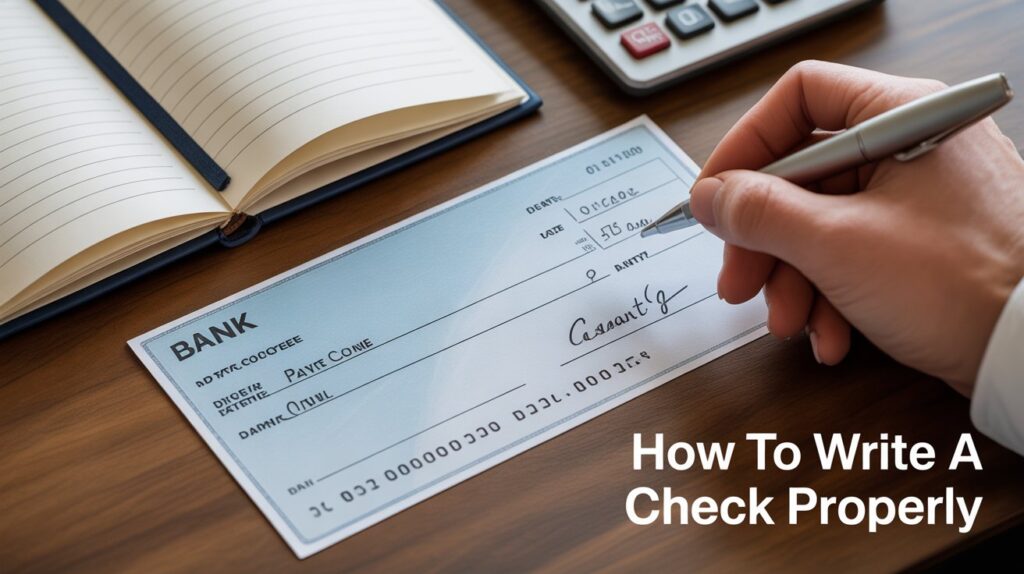
Before mastering How to Write a Check Properly, it is essential to understand the key components of a standard check. Each section serves a specific purpose, and accuracy in every field is crucial.
1. Date Line
Located at the top right corner, the date indicates when the check is written. This can be the current date or a future date (post-dated check).
2. Payee Line
This line begins with “Pay to the Order of.” It specifies the individual or organization receiving the payment.
3. Amount Box
A small box where the payment amount is written numerically.
4. Amount Line
Below the payee line, the amount is written in words to confirm the numeric value.
5. Memo Line
An optional field used to note the purpose of the payment.
6. Signature Line
Your signature authorizes the transaction. Without it, the check is invalid.
7. Routing and Account Numbers
Printed at the bottom, these numbers identify your bank and account for processing.
Understanding these elements forms the foundation of How to Write a Check Properly and ensures precision in every transaction.
Step-by-Step Guide: How to Write a Check Properly
Writing a check may appear straightforward, but attention to detail is essential. Follow these steps carefully:
Step 1: Write the Date
Use the full date format (e.g., April 12, 2026). Avoid abbreviations that could lead to confusion.
Step 2: Add the Payee Name
Clearly write the recipient’s name. Double-check spelling to avoid processing issues.
Step 3: Enter the Amount in Numbers
Write the amount in the box using digits. For example: 250.75
Step 4: Write the Amount in Words
Spell out the amount precisely:
Two hundred fifty and 75/100
Draw a line after the words to prevent alterations.
Step 5: Fill the Memo (Optional)
Include relevant details such as invoice numbers or payment purpose.
Step 6: Sign the Check
Use your official signature as registered with your bank.
Mastering these steps is central to How to Write a Check Properly and ensures your payment is processed smoothly.
Writing Checks for Different Scenarios
Different situations may require variations in how you approach check writing.
Personal Payments
When paying friends or family, clarity is still essential. Always ensure names and amounts are correct.
Business Transactions
Professional checks should include detailed memos and consistent formatting. This reinforces credibility and record-keeping.
Rent Payments
Landlords often require checks. Including the rental period in the memo helps avoid disputes.
Donations
When writing checks for charitable purposes, accuracy in the organization’s name is critical.
Each context reinforces the importance of knowing How to Write a Check Properly for varied financial interactions.
Common Mistakes to Avoid
Even minor errors can render a check invalid or delay processing.
Incorrect Amount Matching
If the numeric and written amounts differ, banks typically honor the written amount.
Illegible Handwriting
Poor handwriting can cause confusion or rejection.
Missing Signature
A check without a signature is not legally valid.
Post-Dating Errors
Writing incorrect future dates may lead to premature or delayed processing.
Blank Spaces
Leaving gaps can invite fraud. Always fill unused space with lines.
Avoiding these pitfalls is a vital part of mastering How to Write a Check Properly.
Security Best Practices
Checks are susceptible to fraud if not handled carefully. Implementing security measures is essential.
Use Permanent Ink
Always write checks using a pen with permanent ink to prevent alterations.
Avoid Blank Checks
Never sign a check before filling out all fields.
Monitor Your Account
Regularly review bank statements to detect unauthorized transactions.
Store Checks Safely
Keep your checkbook in a secure location.
Security awareness enhances your understanding of How to Write a Check Properly and protects your finances.
Advanced Techniques and Tips
For those seeking mastery, consider these refined practices:
Writing Large Amounts
Use commas and precise wording to avoid ambiguity.
Canceling a Check
Write “VOID” across the check and record it in your register.
Recording Transactions
Maintain a check register to track spending and balances.
Using Carbon Copies
Some checkbooks include duplicates for record-keeping.
These advanced techniques elevate your expertise in How to Write a Check Properly.
Digital Age vs Traditional Checks
While digital payments offer speed and convenience, checks provide:
- Tangible proof of payment
- Greater control over timing
- Formal documentation for legal or business purposes
Understanding How to Write a Check Properly ensures you remain versatile in both traditional and modern financial systems.
Frequently Asked Questions
What happens if I make a mistake on a check?
If the mistake is minor, you can correct it and initial the change. For major errors, void the check and write a new one.
Can I write a check in pencil?
No. Always use permanent ink to prevent tampering.
Is the memo line required?
No, but it is highly recommended for clarity and record-keeping.
How long is a check valid?
Typically, checks are valid for six months, though this may vary by bank.
Can someone else cash my check?
Only if the check is endorsed properly or written as a bearer check.
Why is it important to learn How to Write a Check Properly?
It ensures accuracy, prevents fraud, and maintains financial professionalism.
Writing Pattern Insight Table
Below is a structured reference that captures the essential elements and stylistic approach to mastering check writing:
| Element | Description | Best Practice Tip |
|---|---|---|
| Date Format | Indicates transaction timing | Use full, clear format |
| Payee Accuracy | Identifies recipient | Double-check spelling |
| Numeric Amount | Quick reference for value | Align with written amount |
| Written Amount | Legal confirmation | Avoid gaps and add lines |
| Signature | Authorization | Match bank records |
| Memo Usage | Provides context | Include relevant details |
| Security Measures | Prevents fraud | Use ink and secure storage |
| Record Keeping | Tracks financial activity | Maintain a register |
Practical Use Cases and Real-World Applications
Understanding How to Write a Check Properly is not merely theoretical—it has tangible applications:
- Paying contractors who prefer checks
- Settling school fees or tuition payments
- Issuing refunds in business settings
- Managing personal budgeting with physical records
Each scenario highlights the enduring value of this skill.
Editorial Reflection: The Discipline Behind Precision
Writing a check is more than filling out a form—it is an exercise in precision, accountability, and financial discipline. Every line you complete reflects attention to detail and respect for transactional integrity.
In a world driven by speed, the deliberate act of writing a check encourages mindfulness. It compels you to verify, confirm, and document each financial decision.