Introduction
In the vast and ever-evolving landscape of digital communication, language often bends, adapts, and occasionally misfires. One such intriguing example is the term kibard. At first glance, it appears unfamiliar, perhaps even technical or niche. However, upon closer examination, kibard reveals itself as a fascinating intersection of typographical error, linguistic evolution, and digital culture.
Though not formally recognized in standard English dictionaries or technical glossaries, kibard has surfaced across search engines, online forums, and even branding contexts. Its persistence raises an interesting question: how can a simple misspelling develop its own identity and relevance?
This article explores the origins, interpretations, and modern implications of the term kibard, offering a comprehensive, engaging, and authoritative perspective.
The Core Meaning of “Kibard”
A Typographical Origin
At its most fundamental level, kibard is widely understood to be a typographical error—a misspelling of the word keyboard. This kind of mistake, often referred to as a “fat-finger error,” occurs when users inadvertently press adjacent keys while typing quickly.
The transformation from “keyboard” to “kibard” is not entirely random. It reflects:
- Phonetic similarity: The word still sounds somewhat like “keyboard.”
- Keyboard layout proximity: Letters like “i” and “e,” or omitted letters like “o,” can easily result from rapid typing.
- Human cognitive shortcuts: Readers can often interpret misspelled words correctly, allowing such errors to persist unnoticed.
Why Such Errors Matter
In the digital age, even small typographical variations can generate:
- Unique search queries
- Accidental brand identities
- New slang or informal expressions
Kibard is a prime example of how minor errors can evolve into recognizable digital artifacts.

Linguistic Dimensions of Kibard
Phonetic Interpretation
From a linguistic standpoint, kibard aligns closely with how “keyboard” might be pronounced in certain accents or dialects. This phonetic resemblance contributes to its repeated usage across different regions.
Informal Language Evolution
Language on the internet is dynamic. Words like kibard can:
- Gain traction through repetition
- Appear in memes or casual conversations
- Be adopted as usernames or digital identities
Over time, even incorrect forms can acquire contextual legitimacy.
The Digital Context: Search Behavior and Online Visibility
Search Engine Patterns
Search engines frequently encounter misspelled queries. Kibard often appears in search logs as users attempt to find information about keyboards but mistype the word.
Interestingly, this leads to:
- Auto-correction suggestions
- Alternative keyword indexing
- SEO opportunities for niche content
The Role of Autocorrect and Predictive Text
Modern devices attempt to correct such errors automatically. However, when users intentionally or repeatedly type kibard, systems may begin to recognize it as a valid input pattern.
This creates a feedback loop where:
- Users type kibard
- Systems log the input
- The term gains digital presence
Kibard as a Brand Identity
Emerging Product Associations
Despite its origins as a misspelling, kibard has occasionally been used as a brand name, particularly in the realm of minimalist digital products.
One notable example includes:
- LED digital clocks marketed under the name Kibard
- Products emphasizing sleek, futuristic design
- Aesthetic appeal aligned with modern interiors
Why Brands Use Unusual Names
Brands sometimes adopt unconventional or misspelled names because they:
- Stand out in crowded markets
- Are easier to trademark
- Create curiosity and memorability
Kibard fits this pattern perfectly, transforming from error to identity.
Cultural and Social Interpretations
Internet Slang and Identity
In online communities, unique spellings often become markers of identity. Kibard may appear in:
- Usernames
- Gaming handles
- Social media profiles
Such usage reflects a broader trend where individuality is expressed through unconventional language.
Meme Potential
Misspelled words frequently become meme material. While kibard has not reached mainstream meme status, its structure makes it suitable for:
- Humor based on typing errors
- Relatable digital experiences
- Commentary on human-computer interaction
The Keyboard Connection: Understanding the Original Term
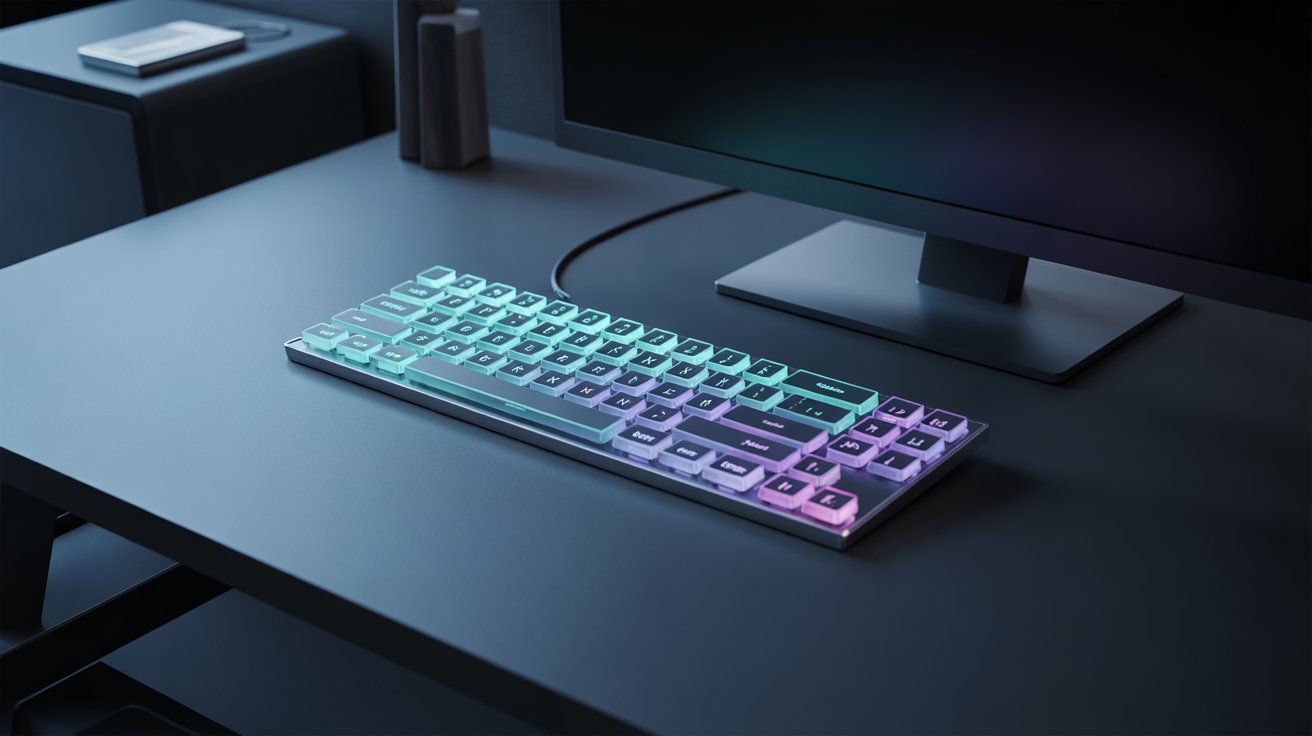
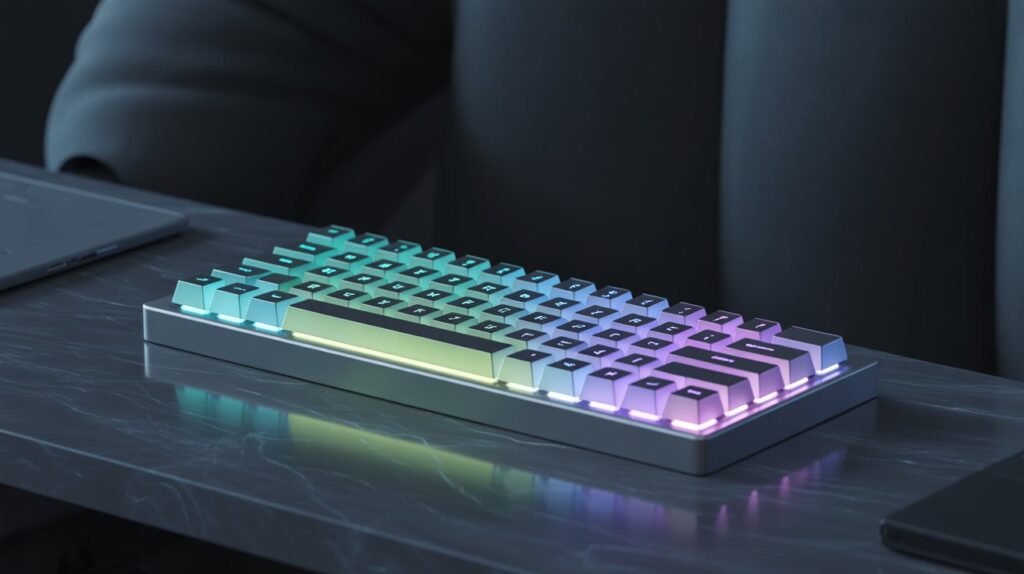
To fully appreciate kibard, it is essential to understand its root: the keyboard.
What Is a Keyboard?
A keyboard is a primary input device used to enter text, commands, and data into computers and digital systems. It consists of:
- Alphabetic keys
- Numeric keys
- Function keys
- Special command keys
Types of Keyboards
Mechanical Keyboards
Known for tactile feedback and durability, these keyboards use individual switches for each key.
Membrane Keyboards
More common and affordable, these rely on pressure pads rather than mechanical switches.
Virtual Keyboards
Displayed on screens, these are widely used on smartphones and tablets.
Kibard, as a derivative error, indirectly points to this essential piece of technology.

Biography Table: The Identity of Kibard
| Attribute | Details |
|---|---|
| Term | Kibard |
| Primary Nature | Typographical error |
| Origin | Misspelling of “keyboard” |
| Linguistic Category | Informal / Non-standard word |
| Common Usage | Search queries, usernames, branding |
| Phonetic Similarity | High resemblance to “keyboard” |
| Digital Presence | Search engines, niche products, online communities |
| Brand Associations | Minimalist LED clocks and tech-inspired products |
| Cultural Role | Example of internet-driven language evolution |
| Recognition Status | Not officially recognized in standard dictionaries |
Psychological Insight: Why We Accept Misspellings
Cognitive Flexibility
The human brain is remarkably adept at interpreting incomplete or incorrect information. Studies suggest that as long as the first and last letters of a word are correct, readers can understand the intended meaning.
This explains why “kibard” is often instantly recognized as “keyboard.”
Speed Over Accuracy
In digital communication, speed often takes precedence over precision. As a result:
- Typing errors increase
- Corrections are sometimes skipped
- Informal language becomes normalized
The Role of Kibard in SEO and Content Strategy
Keyword Variations
From an SEO perspective, even incorrect spellings can be valuable. Including variations like kibard can:
- Capture additional search traffic
- Address user intent more effectively
- Improve content visibility
Content Differentiation
Writing about unconventional terms allows content creators to:
- Stand out in competitive niches
- Provide unique insights
- Attract curious readers
“Kibard” serves as an excellent case study in this regard.
Broader Implications: Language in the Digital Age
Fluidity of Meaning
The emergence of terms like kibard highlights the fluid nature of modern language. Words are no longer static; they evolve based on:
- User behavior
- Technology
- Cultural trends
Democratization of Language
In the past, language was shaped by institutions such as dictionaries and academic bodies. Today, it is influenced by:
- Everyday users
- Social media platforms
- Search engine algorithms
“Kibard” is a small but telling example of this shift.
Practical Insights: Avoiding and Embracing Typographical Errors
Minimizing Errors
To reduce typing mistakes:
- Use spell-check tools
- Type at a comfortable speed
- Review text before submission
Leveraging Errors
In certain contexts, errors can be beneficial:
- Branding with unique names
- Creating memorable usernames
- Exploring niche content opportunities
FAQs About Kibard
What does “kibard” mean?
“Kibard” is most commonly a misspelling of the word “keyboard,” often resulting from typing errors or phonetic approximations.
Is “kibard” a real word?
No, it is not officially recognized in standard English dictionaries. However, it appears in digital contexts and informal usage.
Why do people search for “kibard”?
Most users search for “kibard” unintentionally due to typing mistakes when trying to find information about keyboards.
Can “kibard” be a brand name?
Yes, some products—particularly minimalist digital devices—have used “Kibard” as a brand name to create a unique identity.
Does “kibard” have any cultural significance?
While limited, it represents how digital communication shapes language and how even errors can gain recognition.
How is “kibard” different from “keyboard”?
“Kibard” is an incorrect variation, whereas “keyboard” is the correct term for a computer input device.
A Different Perspective: From Error to Expression
Rather than viewing kibard merely as a mistake, it can be appreciated as a symbol of modern communication—imperfect, adaptive, and deeply human. It reflects how technology and language intersect, creating new forms of expression that blur the line between error and innovation.
In a world driven by speed and connectivity, even a simple typo can leave a lasting digital footprint. Kibard stands as a subtle reminder that language is not just about correctness—it is about usage, context, and evolution.